
Hydrangeas look remarkably lifeless by January. The big green leaves have dropped, the flowers have dried to papery brown heads and the stems are bare.
If the plant is established in the ground, that usually isn't a reason to worry. Most common garden hydrangeas are hardy in much of the UK. The part that sometimes needs protection isn't the whole shrub — it's the flower buds that may already be sitting on the stems, waiting for spring.
That's why two gardeners can have equally healthy hydrangeas the following summer, but only one gets flowers. One plant's buds came through the cold intact; the other's were damaged or pruned away.
The first job is to find out which hydrangea you have.
Do hydrangeas need covering in winter?
Most established hydrangeas growing in a suitable, sheltered border don't need elaborate wrapping.
Most hydrangeas are hardy throughout much of the UK, although young buds are vulnerable to late spring frosts. That means a plant may survive winter perfectly well but lose some of its flowers after a cold snap in March or April.
Exposed sites, newly planted shrubs and plants in pots may benefit from some shelter. A north-facing garden subject to bitter winds also behaves differently from a sheltered courtyard.
Don't wrap every hydrangea in plastic in November and leave it sealed until spring. That can trap moisture and damage growth without solving the real problem.
Think about the plant's position and flowering habit first. Then decide whether any protection is actually useful.
Why identifying the variety matters
Not all hydrangeas produce their flowers on the same wood.
Mopheads and lacecaps
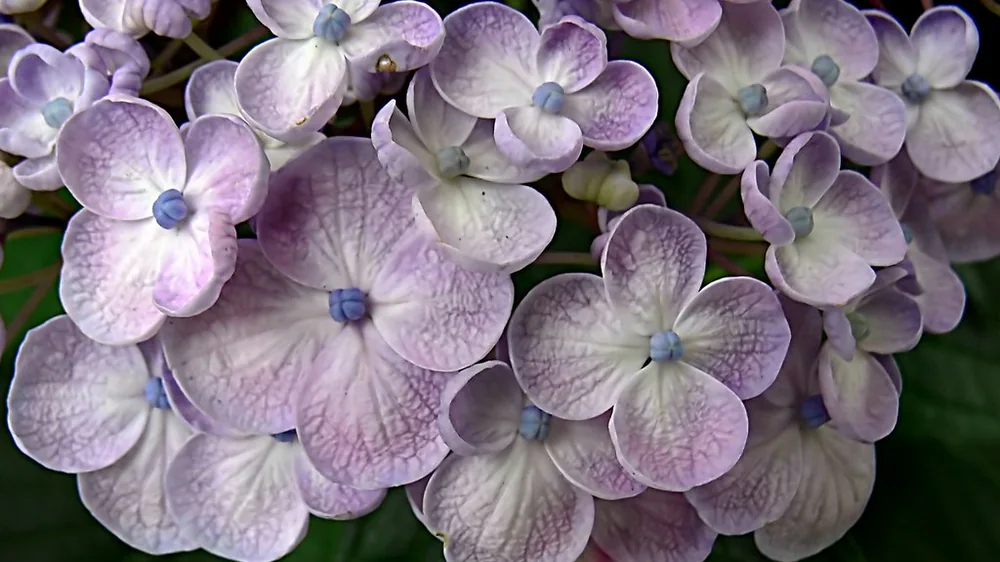
Many familiar Hydrangea macrophylla mopheads and lacecaps set flower buds on stems produced in the previous season.
Those buds are already there before winter arrives. If a hard frost damages them, or you cut the stems down in January, you may remove much of the coming summer's display.
Some modern repeat-flowering cultivars can also flower on new growth, so the rule isn't absolute. But for an ordinary mophead, treating last year's stems as valuable is a good starting point.
Panicle hydrangeas
Hydrangea paniculata, including varieties such as 'Limelight', flowers on new growth produced in the current season.
That makes it less dependent on preserving the previous year's flower buds. It is also usually pruned in late winter or early spring to develop a strong framework.
Smooth hydrangeas
Hydrangea arborescens, including 'Annabelle', also flowers on new season's growth and is generally managed with spring pruning.
These differences explain why pruning advice that suits an 'Annabelle' can be completely wrong for a traditional mophead.
If you're not sure of the variety, look at the flower shape, plant label or photographs from summer before removing major stems.
Should you leave the old flowerheads on?
For mophead hydrangeas, yes, in most UK gardens.
Those dry brown flowers may not look spectacular, but leave them over winter because they help protect the developing buds just below.
You can remove the old flowerheads in early spring, cutting back to the first strong, healthy pair of buds beneath the faded bloom.
In mild areas, some people deadhead earlier without problems. But if your garden is exposed or prone to late frost, there's little benefit in rushing.
Lacecap hydrangeas can be treated somewhat differently because their buds are generally hardier, and the spent heads can be removed after flowering. If you're unsure, leaving them until spring is usually a reasonable choice.
The important point is not to prune every stem to the ground when the leaves fall.
What should you do after a frost warning?
For a shrub in the ground, you may not need to do anything if it's dormant and well established.
If soft new shoots or visible developing buds are exposed during a late frost warning, loosely cover the vulnerable plant with suitable horticultural fleece for the cold period.
Secure the fleece so it can't flap against and damage the buds. Remove it when conditions improve, especially if the day becomes warm and sunny.
Don't drape heavy material over weak branches or pull stems together into a tight bundle.
A sheltered wall may give a useful local improvement in conditions, but it won't guarantee frost-free temperatures during a severe cold snap.
This is temporary protection for vulnerable growth, not a reason to keep a hardy shrub sealed for months.
Hydrangeas in pots need extra thought
A hydrangea in a container is more exposed than the same plant rooted in open ground.
Cold can reach the roots through the sides of the pot, while winter winds can dry the compost even when the air is chilly.
Move potted hydrangeas to a sheltered position, such as near a protected wall or into a cold greenhouse, when frost threatens their buds.
Interestingly, it also notes that simply wrapping an ordinary pot may not provide enough insulation to stop the rootball freezing in a typical winter. So don't assume bubble wrap alone makes a small container frost-proof.
If a valuable plant is in a manageable pot, moving it somewhere more sheltered is often better than leaving it exposed and wrapping it repeatedly.
Keep drainage holes open and stand the pot on feet or bricks if water tends to collect beneath it. Check the compost occasionally during long dry spells; plants in pots can still need water in winter.
Where should you position a hydrangea for winter?
Many mopheads prefer reasonably moist, free-draining soil and shelter from drying wind. A protected position also helps preserve flower buds.
Avoid very dry places beneath roof overhangs and exposed spots where cold air rushes between buildings. A permeable windbreak may help an established plant; see our guide to protecting garden plants from wind.
Is mulching around hydrangeas worthwhile?
A layer of well-rotted compost or leafmould helps soil retain moisture and improves structure. Keep it away from the stem bases and don't use mulch to hide persistent waterlogging.
It's useful for shrubs that dry out in spring and summer, when hydrangeas have large leaves and need steady moisture. See our winter mulching guide for suitable conditions.
Should you feed hydrangeas before winter?
Not usually.
Established hydrangeas generally don't need regular feeding, and too much fertiliser can encourage soft, leafy growth that is less resilient to frost.
If your hydrangea has poor growth, assess the soil, moisture and sunlight before buying a fertiliser.
A shrub struggling in a dry, shaded corner may need better growing conditions rather than another dose of nitrogen.
If feeding is appropriate, spring is generally a more sensible time to follow specific product directions than late autumn, when plants are heading into dormancy.
What if spring frost has already damaged the buds?
First, give the plant a little time.
Fresh growth can look blackened or limp after a frost, but not every stem is dead. Once the weather settles and healthy buds begin growing, you'll be able to see which tips have survived.
Cut frost-damaged shoots back to the first healthy pair of buds on sound wood.
Don't remove entire stems automatically. If the lower parts are alive, the shrub can still grow strongly, although a damaged mophead may have fewer flowers that summer.
If it loses its flowers for one year but produces healthy new shoots, it may flower normally again after the next suitable season.
For the wider difference between leaf damage and plant death, see can plants recover from frost damage?.
When do you prune hydrangeas?
For most common shrub hydrangeas, late winter or early spring is the usual pruning period — but what you cut depends on the type.
Mopheads: remove old flowerheads carefully and take out selected old or damaged stems if needed. Protect the healthy buds that formed last season.
Panicle and smooth hydrangeas: these flower on new wood and can be pruned back more firmly to maintain a framework.
Climbing hydrangeas: these usually need their main pruning after flowering in summer, not the same late-winter cuts.
A hydrangea that doesn't flower isn't always hungry, diseased or planted in the wrong soil. Sometimes someone has simply cut off the stems that would have produced flowers.
Why didn't my hydrangea flower this year?
On an otherwise healthy shrub, the usual suspects are late frost damage, cutting away flower buds, excessive feeding or too little suitable light.
A recently planted shrub may also need time to establish. Check its variety and growing conditions before pruning harder; a mophead that lost buds in spring may still grow strongly and flower well the following year.
The simplest winter approach
For most established mophead hydrangeas: leave the old flowerheads, avoid hard autumn pruning and let the shrub rest. If a late frost threatens vulnerable new growth, use temporary fleece where practical.
For potted plants: move them to shelter, keep drainage working and don't allow the compost to dry out completely.
And for 'Annabelle' or a panicle hydrangea, remember that flowers come from new growth — so the pruning decisions are different.
A hydrangea doesn't need to look tidy in January to put on a lovely display in July.