
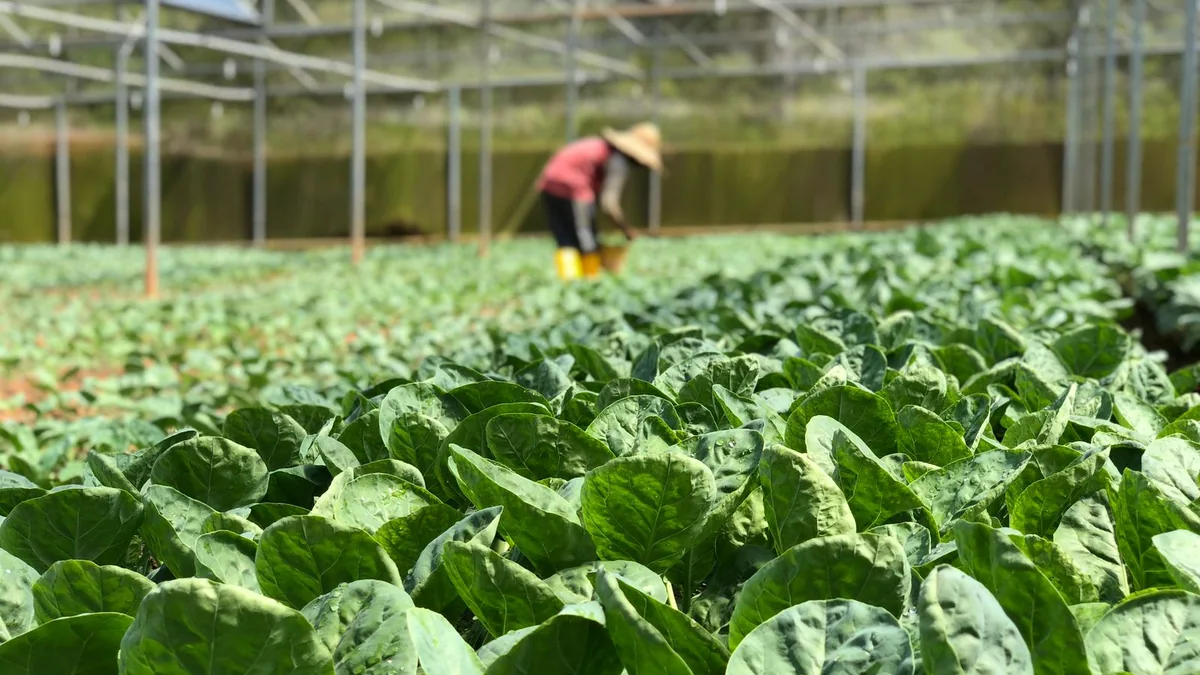
There's a big difference between keeping lettuce alive in January and growing a fresh lettuce from seed in January.
Cold-tolerant varieties can sit through winter in a greenhouse, cold frame or protected bed, providing leaves during mild spells and getting going again as daylight returns. But a seed sown into cold soil in December is unlikely to produce the winter salads shown on a packet.
The trick is to start plants while there's still enough light and warmth in late summer or early autumn, then protect them through the slower months.
When should you sow winter lettuce?
| When you sow | Likely outcome | Where to grow |
|---|---|---|
| August | Plants can establish for autumn and early winter harvests | Outdoors initially, then cloches or greenhouse as needed |
| September–October | Hardy varieties establish for overwintering and spring harvest | Cold frame, unheated greenhouse or sheltered cloche |
| November–December | Usually too late for reliable growth under unheated conditions | Indoor sowing only with sufficient light and appropriate temperatures |
| January | Very limited progress in an unheated structure | Controlled indoor sowing for later planting, not a quick winter crop |
| February | Early crops become more practical with protection | Indoor sowing or sheltered under-cover conditions |
The dates are guides, not promises. Lettuce sown in September in a mild coastal garden may make useful growth well after a crop on an exposed northern allotment has slowed down.
A useful rule is to have plants established before the days become very short.
Which winter lettuce varieties should you choose?
Not every lettuce sold as 'all year round' is equally happy through a UK winter.
'Winter Density' is a compact semi-cos lettuce bred for autumn sowing and cool-weather growing. It forms crisp, low hearts and is a good choice under cloches or in a greenhouse.
'Arctic King', also sold as 'Nansen's Noordpool', is a butterhead type valued for overwintering. It is commonly sown from late summer into autumn for harvesting later, often in spring.
Loose-leaf salad varieties can also be useful under cover, but cold-hardiness depends on the specific variety. A red-leaved summer lettuce that performs beautifully in July isn't automatically suitable for February.
Check seed packets for both the sowing window and the expected harvest window. A hardy variety may survive winter without making much new leaf growth in the darkest weeks.
It's better to grow a small number of suitable lettuces well than a full tray of tender seedlings with nowhere suitable to go.
Where is the best place to grow lettuce in winter?
Unheated greenhouse
A greenhouse protects lettuces from heavy rain, wind and some exposure, but it is not frost-free. The soil or pots inside can still freeze during cold spells.
Use a greenhouse border or deep containers with drainage holes and suitable peat-free growing medium. Keep plants far enough apart that leaves aren't constantly touching.
A greenhouse is especially useful when the outdoor soil becomes saturated. It gives you more control over water, airflow and access to the crop.
Cold frame
A cold frame suits a small crop and helps shield it from rain and wind. It still needs ventilation on mild days, particularly if condensation is building up.
Position it where it receives as much winter light as possible. Don't bury plants in shade behind a fence and expect steady growth.
Outdoor bed with cloches
In a mild or sheltered garden, winter lettuces can grow in an outdoor bed with cloche protection. The soil must drain adequately.
Fix cloches securely against wind. Inspect regularly for slugs; a cover can give pests a sheltered home as well as protecting the crop.
Windowsill or indoors
Lettuce can grow indoors, but it needs adequate light. A warm, dim kitchen window often produces stretched, pale seedlings.
If you're planning to grow salad leaves inside throughout December and January, use a bright position or suitable grow lighting and take care not to overheat the plants.
How to sow winter lettuce successfully
Prepare the growing area before you open the seed packet. Loose, fertile soil that drains well is preferable to a heavy bed that stays soggy.
- Fill modules or a seed tray with suitable peat-free seed compost, or prepare a shallow outdoor seed drill.
- Sow thinly, at approximately 1cm deep unless the variety's packet recommends otherwise.
- Water gently, keeping the medium moist but not saturated.
- Give germinating seedlings good light as soon as they emerge.
- Move or thin young plants so they aren't crowded. Mature spacing varies with the variety, often around 15–30cm.
- Allow plants to establish before harsh weather arrives, then use a cloche or other protection as needed.
Module sowing gives you flexibility. You can keep seedlings in a sheltered position and transplant them before their roots become congested.
Don't leave autumn-sown seedlings in small modules all winter. They can become pot-bound, dry out suddenly or rot if kept wet.
How much watering does winter lettuce need?
Usually less than you think.
Cool air, short days and slow growth mean lettuces take up less water than in summer. The surface of a greenhouse pot may look dry while the root zone remains damp.
Check the compost below the surface before watering. Water early enough in the day that wet leaves and surfaces have some chance to dry before night.
Avoid soaking the foliage in a cold, still greenhouse. Moisture trapped around dense leaves encourages rot.
If you're growing outdoors, a cloche should keep off much of the rain, but don't assume the soil underneath is always correctly moist.
Should you add fleece or heat?
Horticultural fleece can help reduce frost exposure during a cold spell, but it doesn't turn an unheated greenhouse into a warm growing room.
Support the fleece so it doesn't flatten soft leaves, and uncover or ventilate when appropriate. Be careful with anything that traps condensation.
Artificial heating is rarely necessary for a modest winter lettuce crop. Planning the sowing date and protecting established plants usually makes more sense.
For the wider growing space, see what to grow in an unheated greenhouse in winter.
How do you keep lettuce free from rot and pests?
Slugs don't vanish just because it's winter. They can stay active in sheltered, mild, damp conditions and cause damage beneath cloches.
Inspect leaf bases and the undersides of plants. Remove decaying outer leaves rather than leaving them pressed against the crown.
Ventilate a greenhouse or cold frame on suitable mild days. If leaves are constantly wet, consider whether you're watering too often or growing the crop too densely.
A plant with a black, mushy base is unlikely to recover. Remove badly affected plants promptly rather than allowing rotting material to sit beside healthy lettuce.
Our winter greenhouse ventilation guide and slugs in winter guide cover those problems in more detail.
When can you harvest winter lettuce?
It depends on the variety, sowing date and weather.
Established loose-leaf varieties can supply a few leaves at a time through suitable milder periods. Hearting lettuces may hold through the cold and make most of their final growth in early spring.
Don't expect a plant to replace leaves as quickly in January as it does in June.
Pick clean outer leaves without damaging the growing point. For whole hearts, cut when they are ready rather than leaving them indefinitely in a damp greenhouse where they may rot.
Harvest on a day when leaves are not frozen solid. Wash and inspect them carefully, particularly if they've grown under a cloche where slugs may have been present.
Is winter lettuce the same as winter salad leaves?
No. Lettuce is Lactuca sativa. Winter salad mixes may include other plants entirely.
Corn salad (lamb's lettuce), land cress, mizuna and some mustards are useful choices for cool-weather salad harvests. Each has its own sowing period and growing requirements.
If your main goal is fresh green leaves through winter rather than large lettuce hearts, a mixture of established lettuce and other hardy salad crops can spread the risk.
The key is that many of these winter crops were sown in late summer or autumn. 'Winter harvest' doesn't automatically mean 'winter sowing'.
Can you sow winter lettuce in December?
You can try under carefully managed indoor conditions with adequate light, but outdoors or in an unheated greenhouse it is generally too late to establish a productive winter crop from scratch.
If it's December already, care for plants you sowed earlier. For new sowings, plan a protected start as light improves towards late winter.
See what to sow and plant in December for the other options available now.
The simplest way to get winter lettuce right
For reliable results, sow a suitable variety in early autumn, give it room to establish, and use a greenhouse, cold frame or cloche to protect it from prolonged cold and heavy rain.
Expect slow growth in the darkest months. A modest harvest followed by fresh growth in spring is a success — and much more realistic than expecting December-sown seeds to fill a salad bowl by Christmas.