
A winter flower bed doesn't have to look empty until the first daffodil appears. A few well-chosen bedding plants can carry a border through autumn, offer colour during mild winter spells and then put on a stronger show as spring approaches.
The mistake is expecting them to behave like summer bedding. Pansies and violas can flower in January, but they may pause during hard frost or prolonged dull weather. Wallflowers and forget-me-nots are really earning their keep in spring rather than December.
For most UK gardens, September and October are the easiest months to plant winter bedding. November is often the last practical opportunity, provided the ground is workable and you're using healthy, established plants.
Here are the choices worth buying and how to put them together so the bed looks good for longer.
1. Winter pansies: bright flowers when conditions allow
Winter-flowering pansies are the obvious starting point, and for good reason. They're widely available in strong colours, from yellow and blue to purple, white and deep red.
They're hardy enough for many UK winter displays, but hardy doesn't mean constantly flowering. When days are very short or temperatures remain low, flower production can slow. Expect another flush during milder weather and as spring light improves.
Buy compact plants with healthy leaves and a strong root system. Avoid trays that are already badly stretched or yellowing. Space plants according to their eventual spread and the supplier's guidance rather than jamming them together to make an instant carpet.
Deadheading spent flowers helps keep the display tidy and can encourage continued flowering in suitable weather.
2. Violas: smaller blooms and a softer look
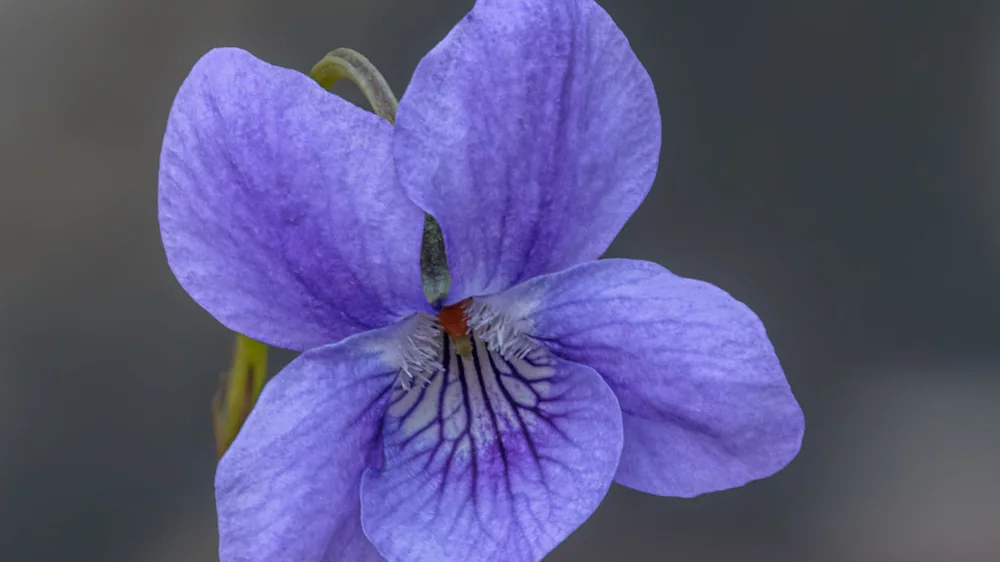
Violas have smaller flowers than many modern pansies, but they often produce a delicate, cheerful display and work well along the edges of borders.
They make a particularly good combination with spring bulbs because the flowers sit low in front of emerging daffodil or tulip stems.
Try mixing two related colours instead of every colour on the garden-centre bench. Pale yellow with violet, or white with deep purple, often looks more deliberate than a random patchwork.
Like pansies, violas won't necessarily bloom without interruption through the coldest weeks. Give them light and drainage, and don't overfeed in winter.
3. Primroses and polyanthus: colour as spring approaches
Primula and polyanthus are excellent for late-winter and early-spring colour. Their flowers can look particularly fresh against dark, damp soil.
Polyanthus tend to carry clusters of flowers on more noticeable stems, while many primroses sit lower with individual blooms closer to the leaves.
They grow well in soil that retains some moisture without becoming waterlogged, and many appreciate partial shade. That makes them useful where a bed gets morning light but isn't in blazing sun.
Primulas and polyanthus make good seasonal bedding, including mild spells in winter. Their best display often arrives later than the earliest pansies, so don't judge the whole planting by how it looks in December.
4. Wallflowers: plant now for spring fragrance
If you're happy to plan for a bigger spring display, wallflowers are worth including.
Erysimum cheiri, the familiar bedding wallflower, is usually grown as a biennial for spring flowers. It gives height behind pansies and violas, along with colour and a distinctive fragrance.
Most wallflowers are not going to transform the border with flowers immediately after planting in autumn. They're part of a longer display that builds towards spring.
Plant them where they get reasonable light and the ground drains. Choose sturdy young plants in autumn, and don't put small plugs out too late if they haven't had time to develop strong roots.
Different perennial erysimum cultivars have different hardiness and maintenance requirements, so check the name on the label rather than treating them all as interchangeable.
5. Bellis: little daisies for early colour
Bellis perennis, the bedding daisy, brings neat rosettes of leaves and rounded flowers in white, pink or red.
It's a good low-growing option at the front of a bed, between more upright spring plants or in a mixed planting with violas.
Bellis often looks its best from late winter into spring. During very wet, cold weather, remove dead flowers and damaged leaves so the centre of each plant doesn't become a soggy mess.
For a restrained display, use one Bellis colour alongside a second plant rather than turning the whole bed into a mixture of every possible shade.
6. Forget-me-nots: the spring carpet
Forget-me-nots, usually Myosotis sylvatica in bedding displays, are useful companions for tulips and other spring bulbs.
They establish during autumn, then produce clouds of small blue, pink or white flowers in spring. They are not a promise of blue flowers all winter, which is worth remembering when you see them advertised among winter bedding.
They can self-seed freely in suitable gardens. That's lovely if you enjoy an informal spring display, but less useful if you want every plant exactly where you put it.
Give them room to fill out rather than planting a whole tray shoulder to shoulder in November.
7. Ornamental cabbages and useful foliage plants
Flowers are only half the story. The most dependable winter beds usually have something attractive to look at when flowering pauses.
Ornamental cabbages and kales provide rosettes of green, purple, cream or pink foliage. They give shape and colour, although they can become untidy in severe weather and should be checked for slug or caterpillar damage.
Compact heathers, small heucheras and suitable evergreen plants can also add structure. Bear in mind that heathers vary in soil preferences, and not all are ideal for every border.
A border of foliage with a few flowering plants dotted through it may look better in January than a border made entirely of pansies waiting for sunshine.
When is it too late to plant winter bedding?
In many gardens, November is the last practical opportunity to plant winter bedding, although September and October are more dependable.
That doesn't mean every garden gets exactly the same deadline. An exposed, freezing garden with saturated clay may already be past its sensible planting window. A mild sheltered border with workable soil may still be fine.
The other factor is plant size. A sturdy, well-rooted pot plant has a better chance of settling than a tiny plug planted just before weeks of frost.
If the conditions are against you, keep suitable plants in pots under appropriate protection and plant when the weather allows. Don't stamp them into frozen soil.
How to prepare and plant a winter flower bed
Start by removing exhausted summer bedding and persistent weeds. If the soil is workable, loosen compacted patches and incorporate suitable well-rotted organic matter where needed.
Lay the plants out on the surface first. Put taller wallflowers towards the back and low-growing violas or Bellis nearer the front. A few repeated groups generally look more cohesive than a different plant in every gap.
Plant at the same depth each plant was growing in its pot and gently firm the soil around the roots. Water in if the ground isn't already adequately moist.
Follow the nursery's suggested spacing. It can be tempting to pack plants tightly for immediate colour, but air circulation and space for spring growth are important.
For irregular borders, our plant spacing guide explains a practical way to estimate quantities.
Add bulbs for a second wave of flowers
One of the best ways to improve a winter bedding display is to plant bulbs between the young plants.
Crocuses and small daffodils can add early colour, followed by tulips later in spring. Plant the bulbs at the right depth before settling the bedding plants, or take care not to damage the roots while adding them.
Tulips are often planted in November, making them a useful late addition. Read our UK tulip planting guide for depth and spacing.
A border that starts with evergreen foliage, then gains violas, then primroses and bulbs will stay interesting far longer than one relying on a single flowering period.
Looking after winter bedding
Check the soil occasionally, particularly under overhanging eaves where rain doesn't reach. Water only when needed, and don't leave roots standing in stagnant water.
Remove flowers and leaves that have clearly decayed, especially after long wet spells. Inspect plants for slugs and other pests.
You generally don't need to force winter bedding with regular fertiliser. In cold conditions growth is slow, and unnecessary feeding won't replace warmth and light.
If frost flattens a few flowers, give hardy plants time to recover. A bit of winter damage doesn't always mean the entire plant is lost.
A display that looks good without endless maintenance
For a modest front border, combine one repeated pansy or viola colour, a few primroses and a band of evergreen or ornamental foliage. Add spring bulbs where there's room.
For a bigger display, include wallflowers and forget-me-nots behind the early bedding. You'll get a much stronger transition into spring without having to replant the whole area in February.
Think of winter bedding as a seasonal sequence, not one continuous summer-style blaze of colour. That's when it works best.
If you're planting containers instead of borders, our winter hanging basket guide covers the different problems of drainage, weight and exposure.