
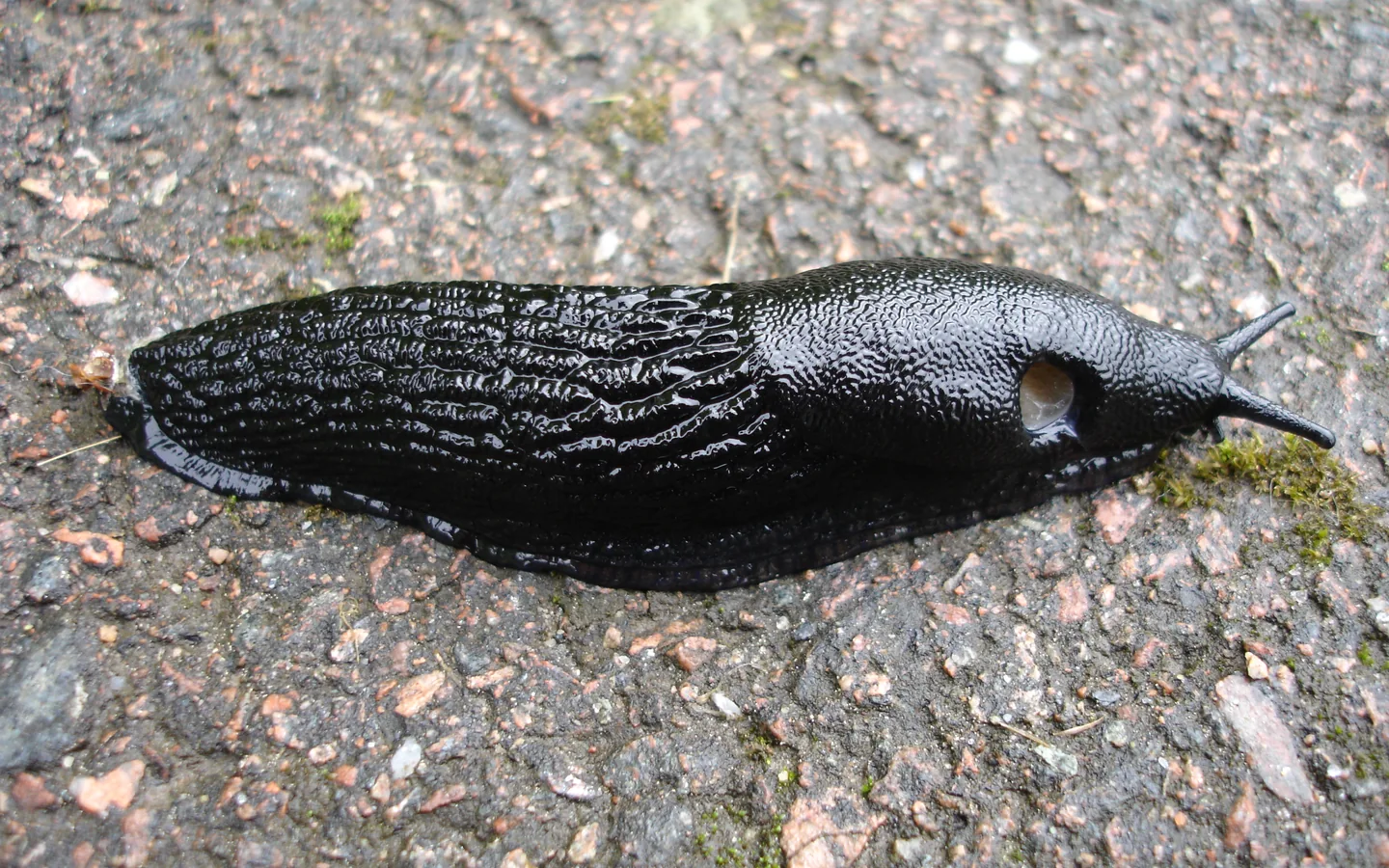
Slugs are part of a healthy garden. Most species feed largely on decaying material, and they provide food for birds, beetles and other wildlife. But a few species can destroy soft seedlings and new shoots before they have a chance to grow.
So the practical goal isn't to eradicate every slug. It's to reduce feeding where you have vulnerable plants, using methods that don't create another problem for the garden.
Start by checking whether slugs are responsible
Slugs commonly leave irregular holes in soft leaves, sometimes eating young seedlings almost down to the soil. You may see silver slime trails, particularly after damp nights.
But caterpillars, snails and other insects can cause similar holes. Check plants after dusk with a torch, especially around hostas, young lettuce, delphiniums and newly planted bedding.
Look under nearby pots and leaves for the actual animals. A correct diagnosis saves buying deterrents that won't address the problem.
What natural control methods are worth trying?
| Method | Practical benefit | Limitation |
|---|---|---|
| Hand-picking after dusk | Removes slugs from vulnerable plants directly | Needs repeated checks |
| Raising bigger transplants | Helps plants survive limited feeding | Not protection from severe infestation |
| Ventilated cloches | Shields individual seedlings | Must fit securely and not overheat |
| Morning watering | May reduce extra dampness overnight | Doesn't stop slugs in wet weather |
| Tidying shelter beside new plants | Reduces places to hide close to the crop | Don't remove all wildlife habitat |
| Targeted slug nematodes | Can suppress certain soil-dwelling slugs | Affects beneficial species too; temperature matters |
| Choosing tougher plants | Avoids repeated losses in vulnerable positions | Changes the planting palette |
No single method works in every garden, but a few simple measures together can make a noticeable difference.
A five-minute evening slug check
Visit the most affected beds at dusk or after dark, ideally after rain. Take a torch, gloves and a suitable container.
Check around the edges of vulnerable leaves, the soil surface and beneath pot rims or loose boards. Collect slugs feeding on the plants you need to protect.
Repeat over several evenings when young plants are especially vulnerable. A single collection rarely solves an entrenched problem, but regular targeted removal can reduce immediate damage.
Avoid moving slugs into a neighbour's plot or sensitive habitat. Some species have homing behaviour, and relocation may simply shift the problem.
Protect new seedlings before you plant them out
A tiny lettuce plug has little spare foliage. A well-rooted plant with several leaves can tolerate some grazing and recover more readily.
Where practical, grow seedlings in modules until sturdy, then harden them off before transplanting. Our hardening-off guide covers how to do that without shocking plants.
After planting, use a ventilated cloche or temporary cover for the most vulnerable specimens. Check underneath before fitting the cover; trapping a slug inside defeats the purpose.
Avoid enclosing young seedlings in airtight plastic that can overheat in sunshine.
Do eggshells, coffee grounds and copper tape work?
These remedies appear constantly in gardening advice, but evidence for reliable protection is weak.
In a garden-realistic RHS experiment with lettuces, crushed eggshells, copper tape, sharp grit, pine bark and wool pellets did not reduce slug and snail damage compared with untreated plants.
That doesn't prove every strip of copper fails in every circumstance, but it makes these products a poor choice as your only defence.
Coffee grounds are similarly unreliable, and concentrated caffeine or household mixtures can have unwanted effects. Invest effort in monitoring and protecting young plants rather than building elaborate rings of kitchen waste.
What about beer traps?
Beer traps can catch some slugs, but they need regular emptying and may attract other organisms.
If you use one, choose a design that prevents access by pets and children and doesn't create a drowning hazard for non-target wildlife. Check it daily.
For a small bed of valuable vegetables, selective hand removal may be more predictable and less unpleasant to manage.
Using slug nematodes responsibly
Certain commercially available nematodes, particularly Phasmarhabditis hermaphrodita, infect and kill slugs in the soil.
They work best when soil is moist and roughly 5–20°C, often in spring to early autumn. Apply according to the product directions, preferably away from bright sunshine, and maintain appropriate moisture afterward.
They do not target only damaging slugs. The treatment may also affect beneficial slug species, so apply it where there is a real problem rather than across the whole garden.
These soil treatments generally have little effect on snails, which spend much less time exposed to the nematodes.
Should you use slug pellets?
For a natural, wildlife-friendly approach, don't use slug pellets as the default. The RHS advises against pellets, including those marketed as organic, because of effects on garden wildlife.
That is especially worth considering in gardens with birds, amphibians and ground beetles.
Never scatter unapproved household substances or attempt to mix pesticide ingredients yourself. If you choose a commercial product for any reason, current authorisations and label instructions apply.
Does a tidy garden have fewer slugs?
A completely stripped garden may have fewer refuges in some spots, but it also removes shelter for predators and other beneficial wildlife.
It's more sensible to manage shelter immediately beside vulnerable seedlings while retaining habitat elsewhere.
Move piles of pots away from a newly planted lettuce row. Keep walkways clear enough to inspect. Leave other undisturbed corners for beetles, frogs and wildlife.
A balanced garden isn't a sterile garden.
Slug damage in raised beds and pots
A raised bed isn't automatically slug-proof. Slugs may climb the sides or already be present in the growing medium.
Inspect beneath edges, boards and nearby containers. Keep bed frames sound and avoid storing loose boards directly against tender crops.
For pots, check drainage, root health and the underside of the container. Wet compacted compost can damage roots even without pests.
Our container compost guide explains how suitable growing media and drainage help plants establish strongly.
Why some plants are eaten more than others
Soft young leaves tend to be more attractive than tough, hairy, waxy or woody foliage. There are exceptions, and hungry slugs may attack plants usually thought resistant.
If the same delphinium disappears every spring, protect its emerging shoots or reconsider the planting position.
Don't replace an expensive plant repeatedly in the same heavily infested corner while ignoring the conditions around it.
A sensible seasonal plan
Late winter: check vulnerable crowns during mild damp spells. Slugs can remain active.
Spring: protect newly emerging shoots and sturdy transplants, using short evening checks after rain.
Summer: keep monitoring during wet periods, especially around young vegetables.
Autumn: inspect new planting and remove excessive shelters immediately beside vulnerable plants.
Our winter slugs guide explains why they don't always disappear in cold months.
Can you get rid of slugs permanently?
Complete permanent eradication is unrealistic and undesirable. Targeted protection of vulnerable plants is a better goal.
Are slug nematodes natural?
They are biological organisms used for pest management, but can affect beneficial slugs too. Use them only in a targeted way and at suitable temperatures.
Will salt stop slugs?
Salt harms slugs and can damage soil and plants. It is not a sensible treatment for garden beds.