
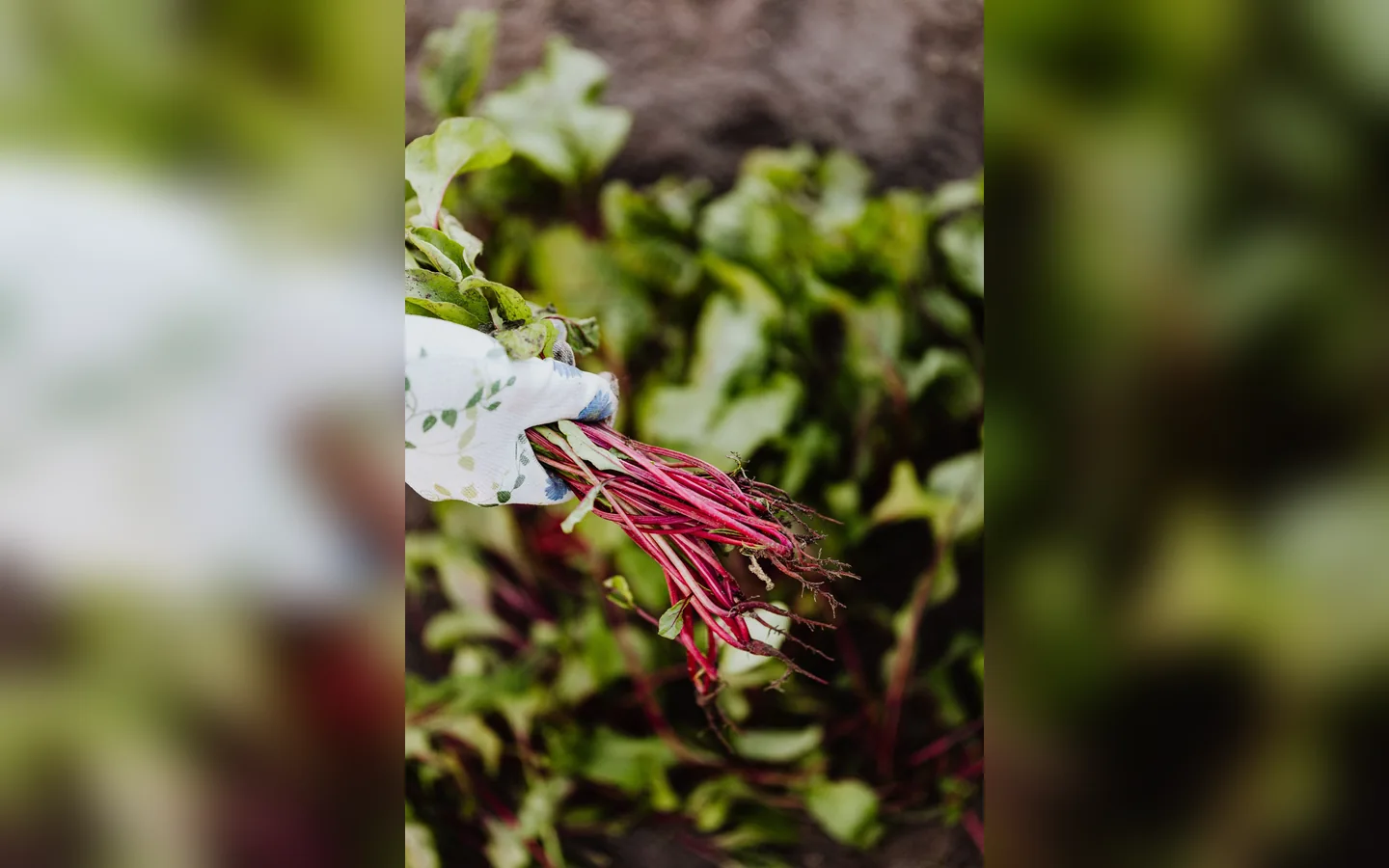
Beetroot is one of the easier root vegetables to grow in a UK garden. It doesn't demand a deep allotment plot, and a modest bed can provide sweet young roots, larger cooking beetroot and useful edible leaves.
The keys are sowing at the right time, thinning seedlings and harvesting before roots become oversized and woody. One beetroot “seed” often produces several seedlings, which surprises beginners who expected one plant per seed.
When can you sow beetroot in the UK?
For many beetroot varieties, sow outdoors from mid-spring through mid-summer, once the soil is workable and beginning to warm.
Early April is possible in milder areas, while colder plots may benefit from waiting until later in the month or May.
Later sowings can provide autumn harvests. Check the variety: some are selected for early cropping, while others store better after maturing later in the season.
The RHS notes that beetroot may be ready in 50–60 days under favourable conditions, although timing varies.
Which beetroot should you grow?
| Type | What it offers | Useful detail |
|---|---|---|
| Standard round red | Familiar sweet roots | Reliable for most gardens |
| Cylindrical beetroot | Long narrow roots | Useful for evenly sliced cooking portions |
| Golden beetroot | Yellow-orange flesh | Usually less staining |
| Chioggia or striped types | Decorative ringed flesh | Colour may fade with cooking |
| Baby beetroot varieties | Small tender roots | Suitable for frequent small sowings |
| Bolt-resistant varieties | Better for early cool sowings | Not immune to all stress |
Choose flavour and harvest use rather than buying seed solely because the packet photograph looks unusual.
Preparing a suitable beetroot bed
Beetroot likes a sunny or lightly shaded position with fertile, well-drained soil.
Remove stones and major perennial weeds, and rake a relatively fine seedbed.
Avoid burying fresh manure immediately before sowing. Large quantities of fresh organic material can create uneven growth and interfere with root shape.
A healthy garden soil containing mature organic matter is generally sufficient for a good crop.
How deep should you sow beetroot seeds?
Make a shallow drill about 2.5cm deep, depending on packet instructions.
Sow individual seed clusters a few centimetres apart, cover with fine soil and water gently.
Rows can be around 30cm apart for ordinary cultivars, adjusted to your bed width and final mature spacing.
Label the variety and date. Beetroot seedlings may take longer to emerge in cool spring soil than in warm early summer.
Step-by-step beetroot sowing
- Choose a suitable sowing window and workable soil.
- Remove persistent weeds and rake the surface.
- Mark rows or small blocks with enough access for thinning.
- Sow seed clusters at the packet's depth.
- Cover lightly with fine soil and firm gently.
- Water carefully so the seed isn't washed out of the row.
- Keep the germination layer moist without saturating it.
- Thin excess seedlings once they are large enough to handle.
Don't leave a dense mat of emerging plants simply because every seed germinated.
Why do several seedlings emerge from one seed?
Many beetroot varieties are multigerm: the seed you buy is actually a cluster containing several embryos.
Two or more shoots may emerge close together.
Some modern varieties are monogerm or more nearly single-seeded, making spacing easier.
Read the packet before deciding how much thinning will be needed. A line of densely packed young leaves isn't necessarily a productive row of roots.
How far apart should beetroot plants be?
For small tender roots, around 5–7cm between plants may be sufficient; for larger roots, leave roughly 10cm or follow the cultivar's instructions.
Thin gently when seedlings are small, keeping the strongest at each position.
The removed baby leaves can sometimes be eaten if healthy and grown without unsuitable treatments.
Avoid tugging violently near established roots: snip unwanted seedlings at soil level where close roots risk disturbance.
Can beetroot grow in pots?
Yes. Choose a container deep enough for the full root length and with reliable drainage holes.
Use a suitable peat-free compost, and avoid overcrowding plants in a narrow trough.
Containers dry faster than ground beds, so check moisture regularly, especially in warm weather.
Our compost for pots and containers guide explains how to select a medium that holds moisture but still lets roots breathe.
Watering beetroot through summer
Beetroot likes reasonably consistent root-zone moisture.
Long drought periods followed by sudden heavy watering can stress developing roots and contribute to cracking or coarse texture.
Water slowly enough to reach roots instead of providing repeated shallow surface sprinkles.
If rainfall has kept the bed moist, don't flood it merely because the weather forecast predicts sun tomorrow.
Should you feed beetroot?
In suitably fertile soil, beetroot rarely needs a strong fertiliser programme.
Too much nitrogen may encourage lots of foliage at the expense of well-formed roots.
If plants grow poorly, check moisture, crowding and soil condition before feeding again.
The soil pH for vegetables guide can help distinguish nutrient availability from inappropriate soil chemistry.
Beetroot bolting: what causes it?
Some plants produce a flowering stem prematurely, especially after cold stress at a sensitive growth stage.
Early sowings using a bolt-resistant cultivar can reduce risk, but no seed is completely immune.
Once a plant commits to flowering, its root is less useful for eating.
Remove affected plants and continue with the remaining row rather than cutting the stalk and expecting it to become a tender beetroot again.
Leaves with holes and other problems
Slugs may damage young seedlings; flea beetles and leaf miners can mark foliage.
A few holes often don't prevent roots from developing.
Use targeted protection for severe damage, and avoid treating every insect as an emergency.
If leaves are yellowing and stunted throughout the bed, consider moisture stress, compaction and nutrient availability.
When should you harvest beetroot?
The RHS recommends harvesting for the best tenderness when roots are around 4–7cm across, though larger mature roots may be wanted for preserving.
Gently loosen soil around the root and lift without tearing off the leaves.
Don't wait until every beetroot is the size of a cricket ball. Small tender roots are often sweeter and less fibrous.
Pick a few at a time for the kitchen while allowing the remaining plants more space.
Can you eat beetroot leaves?
Yes, healthy young beetroot leaves can be cooked in a similar way to Swiss chard.
Harvest sparingly from plants that you still want to develop good roots.
Don't strip all the foliage from every plant, because leaves are needed to support root growth.
Avoid eating diseased, mouldy or contaminated leaves.
Storing autumn beetroot
Mature sound roots can be lifted before severe winter conditions and stored in a cool suitable place, often in damp sand or other recommended conditions.
Twist or cut foliage back carefully without cutting into the root crown.
Don't wash a large storage crop and then pack it wet into plastic bags without ventilation.
Check for soft or damaged roots regularly, using those first.
Succession sowing in small beds
Sow a short row or block every few weeks instead of the entire packet on one day.
A small household often finds this more useful than fifty beetroots all reaching maturity together.
Leave enough space for later sowings of salad leaves or other quick vegetables when the first roots are lifted.
Use the plant spacing calculator to estimate your actual growing area.
Common beetroot mistakes
- Leaving multigerm seed clusters unthinned.
- Sowing into cold saturated ground.
- Applying excessive nitrogen to a root crop.
- Letting a summer bed dry completely for weeks.
- Waiting until every root is oversized and woody.
- Packing a pot with more plants than the root volume supports.
- Stripping all the leaves before roots mature.
How long does beetroot take to grow?
Many varieties can be ready about 50–60 days after sowing in suitable conditions, though harvest timing varies.
Can beetroot grow without full sun?
It tolerates some light shade, but productive roots benefit from adequate daylight.
Can I leave beetroot in the ground over winter?
Some may tolerate mild conditions, but prolonged freezing and wet soil can cause losses. Lift and store sound roots where necessary.