
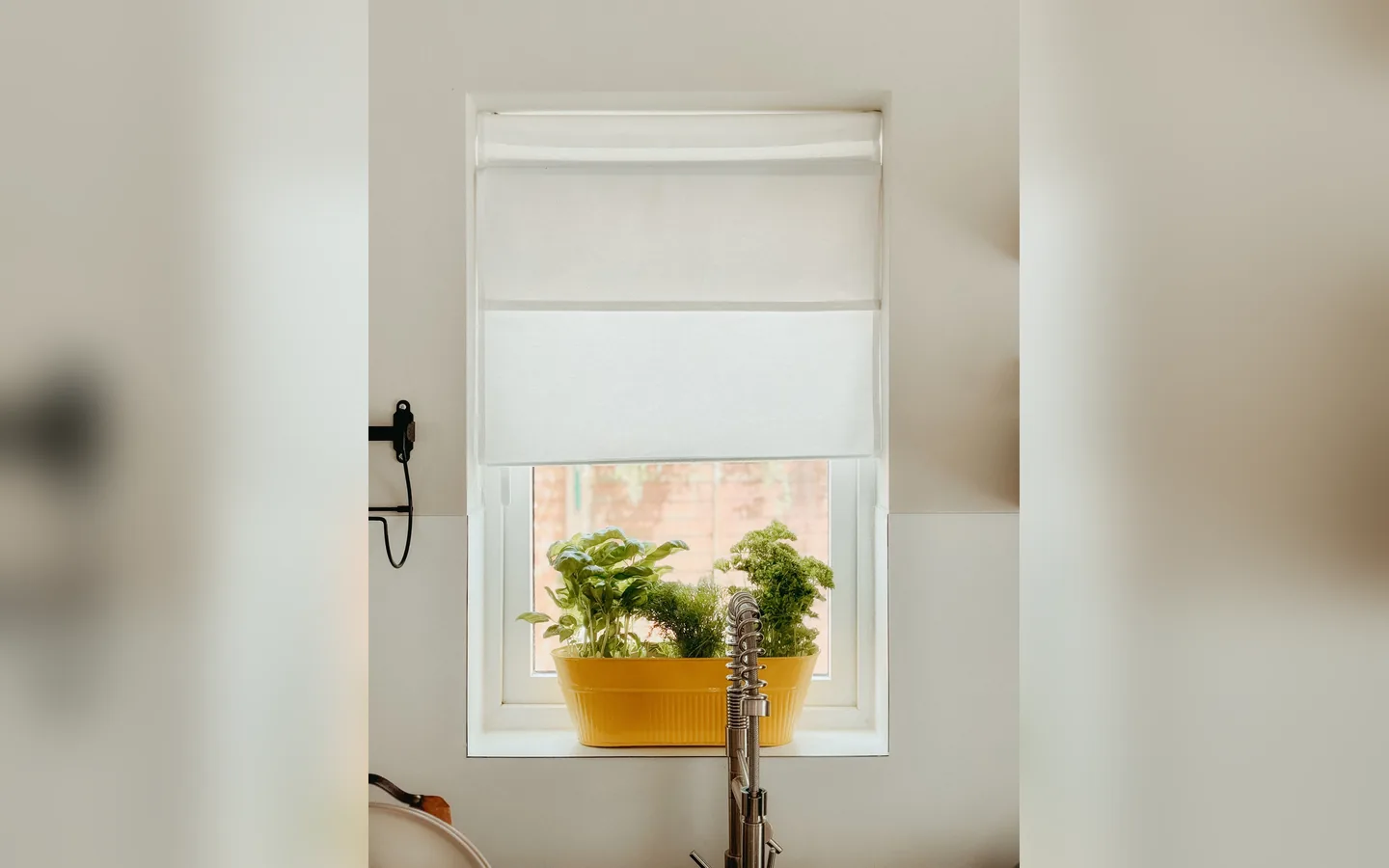
An indoor herb garden can give you fresh leaves close to the cooker, but a warm kitchen isn't automatically a good growing environment. Most culinary herbs need much more light than an average UK windowsill receives in December.
Start with a bright position and a few plants that suit it. Once those are growing well, expand. A crowded tray of struggling supermarket herbs isn't a productive garden.
Can you grow herbs indoors all year round?
Yes, with the right species, enough light and sensible watering. Spring and summer are easiest because daylight is stronger and longer. In winter, some established herbs stay usable but grow much more slowly, and warmth without light can lead to weak stems.
An indoor grow light can help if you want steady winter crops, but it isn't essential for enjoying a few herbs during the brighter months. Set realistic expectations for a north-facing window.
What do indoor herbs actually need?
- Light: as bright a windowsill or growing position as the species requires.
- Drainage: pots with holes, not permanently wet decorative bowls.
- Suitable compost: peat-free growing medium matched to the herb.
- Airflow: enough space for leaves to dry and reduce mould problems.
- Moisture: checked by plant and pot, not one fixed watering schedule.
- Room for roots: one modest herb per appropriately sized pot often works better than a dense mixed display.
Put the pots on a tray to protect the sill, but empty any standing water. Keep foliage away from very hot radiators and windows that become icy overnight.
Start with the easiest useful herbs
| Herb | Indoors: what usually works | Common problem |
|---|---|---|
| Chives | Bright light, regular harvesting, evenly moist mix | Weak regrowth in low winter light |
| Parsley | Good light and moisture; establish young plants early | Slow growth and sparse harvests in winter |
| Mint | Bright position, separate pot and consistent moisture | Outgrows neighbours; dislikes drought |
| Basil | Strong warmth and sunlight; best in brighter seasons | Cold nights, crowding and insufficient light |
| Coriander | Succession sowing in cool-bright conditions | Runs to seed in warmth; short harvest window |
| Thyme | Very bright light and freer-draining compost | Wet roots in poorly drained pots |
| Rosemary | Bright, airy location and careful watering | Humid, dark kitchens and waterlogged soil |
This is a growing method guide, not a ranking of which herb tastes best. For species choices matched to different window positions, the companion topic is best herbs for a windowsill.
Seeds, plants or supermarket pots?
Seeds are cheap and useful for basil, coriander, parsley and chives, but seedlings require warmth and good light. Follow the packet's sowing depth; don't sow everything to the same depth.
Nursery plants are convenient if you want leaves quickly. Choose healthy growth and look for roots that haven't become badly congested.
Supermarket pots often contain many seedlings packed together to produce an instant display. Separate the clumps gently when appropriate, pot them into fresh compost and expect some temporary check in growth.
Avoid taking all the leaves immediately after repotting. The plant needs foliage to recover.
Setting up a kitchen windowsill herb garden
- Check when the window receives sun. South- or west-facing windows often provide better light than a deep north-facing recess.
- Choose three or four herbs with similar conditions, keeping drought-tolerant species in separate pots from moisture-loving ones.
- Use draining containers and good peat-free potting mix.
- Place pots so none blocks light from the others.
- Water according to the compost and species, emptying the tray after runoff.
- Rotate pots occasionally if they lean strongly towards the glass.
A deep kitchen window ledge may look bright to the human eye yet be inadequate for a sun-loving herb, especially in winter. Move the plant closer to usable light or consider a suitable grow light.
How to water indoor herbs
There isn't one rule for all herbs. Mint often wants more consistent moisture than thyme or rosemary. Basil prefers a fairly steady supply during active summer growth, but dislikes cold, wet compost.
Feel a little way below the surface and lift the pot to judge weight. Water when needed until moisture reaches the rootball, then let the excess escape. Tiny pots can dry rapidly during sunny weather; a cool winter pot may stay damp for a week or longer.
Don't let leaves sit against cold, wet glass and don't leave outdoor rosemary or thyme indoors in a dim, humid corner indefinitely.
Harvesting so plants keep growing
Snip young tips from basil and mint above a leaf node to encourage branching, leaving enough leaves on the plant for photosynthesis.
With chives, cut leaves above the base rather than tearing out the clump. Pick outer parsley stalks while allowing the centre to grow. For coriander, sow another small pot every few weeks during suitable conditions rather than expecting one plant to produce indefinitely.
If you harvest everything before the roots have established, regrowth will be poor whatever fertiliser you use.
Growing herbs indoors during a UK winter
Short daylight hours are the main limitation. Move plants to the best natural light and reduce watering as growth slows. The warmest room isn't necessarily best: some Mediterranean herbs prefer cooler, bright, airy winter conditions.
If you want frequent winter harvests, a properly placed grow light with an appropriate timer can make a difference. Use a reputable light designed for plant growth, keep safe distances from foliage, and account for electrical safety near watering trays.
For another crop that can suit an indoor setup, see how to grow salad leaves indoors.
Troubleshooting an indoor herb pot
Long, thin stems: usually insufficient light, sometimes combined with excessive warmth.
Yellow lower leaves: check overwatering, root crowding and lack of light before feeding.
White mould on compost: check ventilation and repeated surface wetness; make sure pots can drain.
Tiny black flies: may be fungus gnats breeding in damp mix. Our fungus gnat guide covers the moisture conditions that favour them.
Basil turning black overnight: cold damage is a likely cause, especially near an open window.
If plants need moving outdoors later, harden them off gradually rather than placing tender indoor growth straight into cold wind.
What is the easiest herb to grow indoors?
There isn't a winner for every home. Chives and mint are useful starters in reasonably bright positions, while basil performs best with stronger warmth and light.
Do indoor herbs need fertiliser?
During active growth, a modest feed may help plants kept in pots for many months. Newly potted herbs often have nutrients in fresh compost; excessive feed won't solve poor light.
Can I grow herbs without sunlight?
Most culinary herbs need substantial light. A windowless room generally requires an appropriate plant grow light for productive growth.