
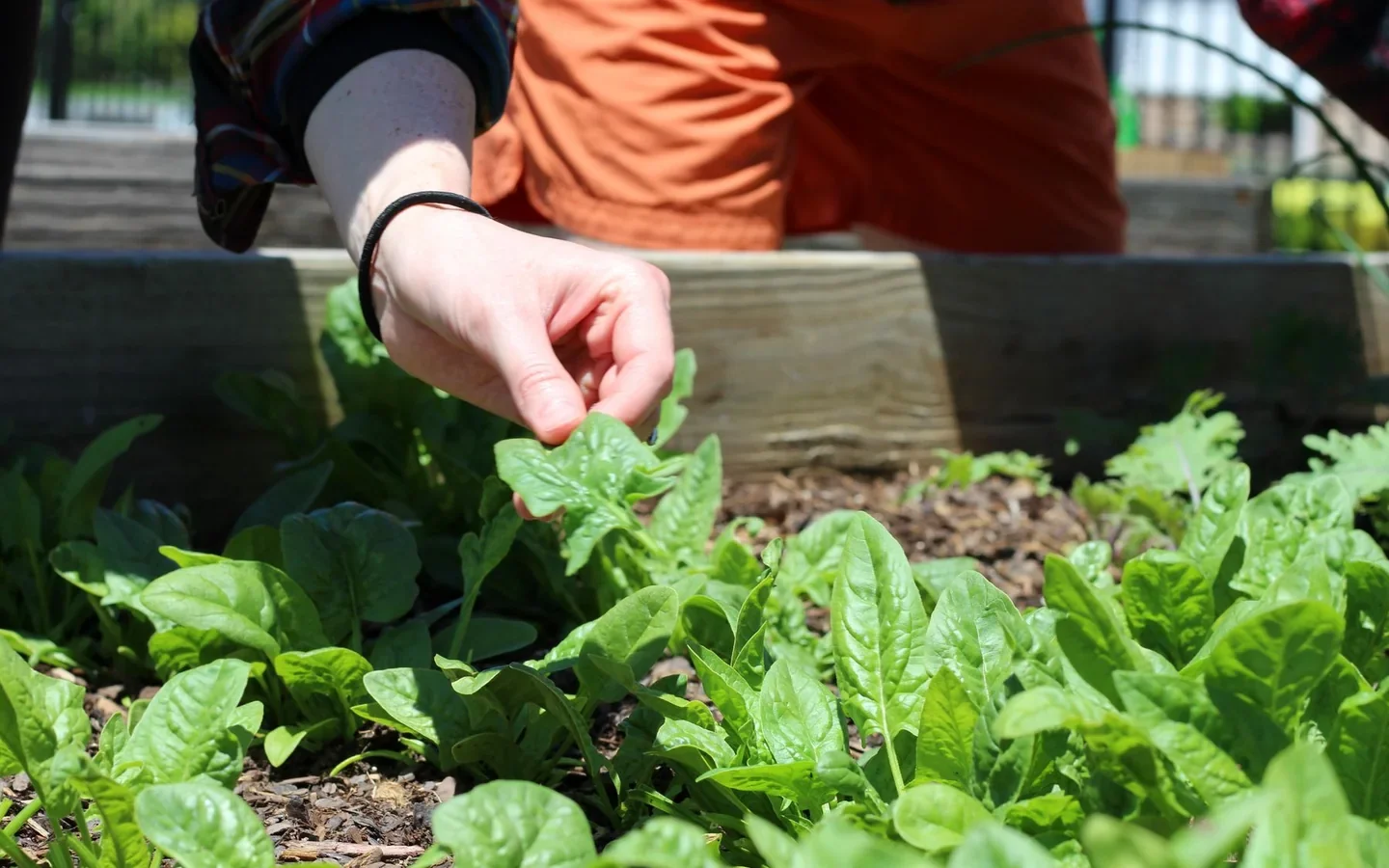
Spinach is a useful crop while the weather is cool. Then June arrives, the plant suddenly sends up a tall central stem and the tender leaves you hoped to harvest become fewer and less pleasant.
That change is called bolting. The plant is shifting into flowering and seed production. You can't reliably reverse it by cutting off the flower stalk, but you can reduce the risk by growing spinach in the seasons and conditions it prefers.
Why spinach bolts
Spinach is sensitive to day length and growing conditions. Longer spring and summer days encourage many cultivars to move towards flowering, and hot or dry weather can make the problem worse.
Some plants bolt after an unsuitable spell of cold or significant root stress.
The crop is naturally better suited to cool growing periods than to the hottest weeks of a British summer.
If you sow traditional spinach in midsummer sunshine, some bolting is likely however carefully you water it.
Recognising the first signs
A plant about to bolt often changes from a compact rosette of leaves to more upright central growth.
You may notice that new leaves become smaller and narrower, followed by an elongated stem carrying developing flowers.
Once this flowering structure begins, leaf quality can deteriorate. Some leaves become tougher or more bitter.
Don't confuse an ordinary upright young leaf with bolting; look for a distinctly extending central stem and developing flower structures.
Sow during the cooler windows
For ordinary true spinach (Spinacia oleracea), good UK sowing periods are often mid- to late spring and late summer to early autumn.
The RHS recommends cool-weather sowing rather than pushing the crop through peak summer heat. Hardy varieties can be used for overwintering in suitable conditions.
Early sowing in very cold soil can also be counterproductive if plants become stressed and flower prematurely.
Use the particular variety's recommendations, then adjust for your local weather.
A simple sowing timetable
| Sowing time | Expected result | Main caution |
|---|---|---|
| March–April | Spring leaves as temperatures improve | Cold soil and frost stress |
| April–May | Productive cool-season growth | Increasing day length |
| June–July | Higher bolting risk for ordinary spinach | Heat and long days |
| August–September | Useful autumn leaf crop | Very hot late-summer soil can hinder germination |
| Autumn under protection | Winter or early spring harvest from suitable hardy types | Slow short-day growth, damp conditions |
The dates are approximate, particularly in exposed northern gardens.
If July is exceptionally cool, you may still obtain a crop, but it isn't wise to base the whole growing plan on an unusually mild summer.
Choose suitable varieties
Spinach cultivars differ in their tendency to bolt. Some are described as slow-bolting or more tolerant of warmer conditions.
Check the packet for the intended sowing season rather than assuming all spinach behaves the same way.
Flat-leaved types can sometimes cope better with warmer weather than certain heavily savoyed varieties, although cultivar performance matters.
A variety described as winter-hardy may not be the best choice for a hot June border.
Direct sowing is usually best
Spinach is often best sown directly where it will grow. Disturbing its roots during transplanting can increase stress and bolting risk.
Prepare a fine seedbed, make shallow drills according to the packet, and water when necessary to support germination.
If you need to start in modules, use individual cells and transplant carefully before the plants become root-bound.
Avoid repeatedly moving a plant through different pots hoping to delay flowering.
Thin seedlings so they have space
Very crowded spinach competes for light, water and nutrients.
Thin seedlings to appropriate spacing for full-sized leaf harvest, often around 10–15cm apart, depending on whether you want baby leaves or larger plants.
Remove extras carefully to avoid pulling up neighbouring roots. You can use suitable clean thinnings as tender leaves.
Our plant spacing guide can help plan rows beside other vegetables without encouraging overcrowding.
Keep soil moisture reasonably consistent
Spinach performs best with steady moisture in a soil that still drains.
A sudden dry spell can stress plants, particularly during the transition from spring to summer.
Check moisture beneath the surface; if the ground is drying at root depth, water thoroughly.
Do not leave the bed waterlogged. Water stress includes lack of oxygen around roots, not only drought.
A little shade can help in warm weather
Light afternoon shade from a nearby taller crop or temporary suitable shade material can reduce heat stress.
However, spinach still needs enough light for healthy growth. Permanent deep shade produces weak, slow plants rather than a reliable harvest.
Choose a location with morning sunshine and some relief from the hottest afternoon conditions where practical.
A greenhouse can become much hotter than an outdoor border. During summer, it may be the worst place to grow true spinach unless temperature and ventilation are carefully managed.
Mulch without burying the plants
A modest mulch around established spinach can help conserve soil moisture.
Use suitable mature material and keep it away from the central growing point. Dense wet mulch over small seedlings can encourage rot.
Apply on soil that is already moist, not as a substitute for watering a severely dry bed.
Weed control also matters: vigorous weeds remove moisture and shade the young crop unevenly.
Harvest before the plant runs to seed
Pick usable leaves regularly while they are tender, leaving enough healthy foliage for the plant to continue growing.
For cut-and-come-again harvesting, remove outer leaves and protect the growing point.
Some crops are harvested as baby leaves, which can reduce the chance of losing the entire harvest to sudden flowering.
Don't leave all leaves untouched while waiting for them to become enormous. Large leaves are not always the most pleasant to eat.
Can you cut off the flower stem?
Removing a developing seed stalk may delay visible flowering briefly, but it does not reset the plant's physiological switch into seed production.
The remaining leaves may continue deteriorating in flavour or texture. Once a plant is clearly bolting, plan to harvest any usable leaves and clear the crop.
Replace with fresh seed during a more suitable cool window.
Trying to save one bolted row with repeated pruning is usually less productive than starting a new sowing.
Are bolted spinach leaves safe to eat?
Bolting doesn't automatically make leaves poisonous, but the taste and texture can become unpleasant.
Use only sound, healthy leaves that have been properly identified and handled. Discard badly damaged, decaying or diseased foliage.
If a plant has developed a tall fibrous flowering stem, it is usually past its best as a leafy vegetable.
You may let a few suitable plants produce seed, but maintaining variety purity and seed quality requires additional care.
Spinach in containers
Large pots or troughs can produce a useful crop if compost is deep enough and drainage works.
Containers heat and dry more quickly than beds, so they need closer checking in sunny weather.
Choose a cool location with suitable light and use quality peat-free compost rather than a tiny shallow decorative planter.
Our pot compost guide explains why root space and moisture balance both matter in containers.
Is perpetual spinach the same thing?
No. Plants often sold as perpetual spinach are usually spinach beet, a form of chard (Beta vulgaris), not true spinach.
They may tolerate warmer conditions and produce leaves over a longer season, but the flavour, texture and cultivation differ.
New Zealand spinach is another separate species sometimes offered for warmer-season greens.
These can be useful alternatives when true spinach repeatedly bolts during long summer days.
What to plant after bolted spinach
A bolted crop can free up space for another suitable vegetable.
In summer, short-season beetroot, suitable salads or other crops can follow if their planting windows allow. In early autumn, fresh hardy spinach may be a good choice again.
Clear old diseased material and check the soil before resowing. Don't simply bury tall old plants into a crowded bed.
For early-season seed planning, our indoor seed-starting guide helps distinguish crops that tolerate module raising from those better direct sown.
Common mistakes
Sowing ordinary spinach throughout hot July: invites early flowering.
Treating all cultivars as identical: slow-bolting and winter varieties differ.
Transplanting repeatedly: disturbs roots.
Letting the bed dry out: increases stress.
Crowding seedlings: causes competition and weak growth.
Cutting the flower stalk and expecting recovery: usually doesn't restore tender leaves.
Quick answers
Can bolted spinach be saved? The plant may keep growing, but it is unlikely to return to its best leafy stage.
Does shading stop bolting completely? No. It may reduce heat stress but cannot remove the effect of long days.
When should I sow spinach for autumn? Often August or September, delaying if the soil remains very hot.
Why did my greenhouse spinach bolt? High temperatures and long summer days may be contributing.
For reliable spinach, grow with the cool seasons rather than fighting the plant's natural response to midsummer. Several small spring and autumn sowings will often beat one enormous summer crop.