
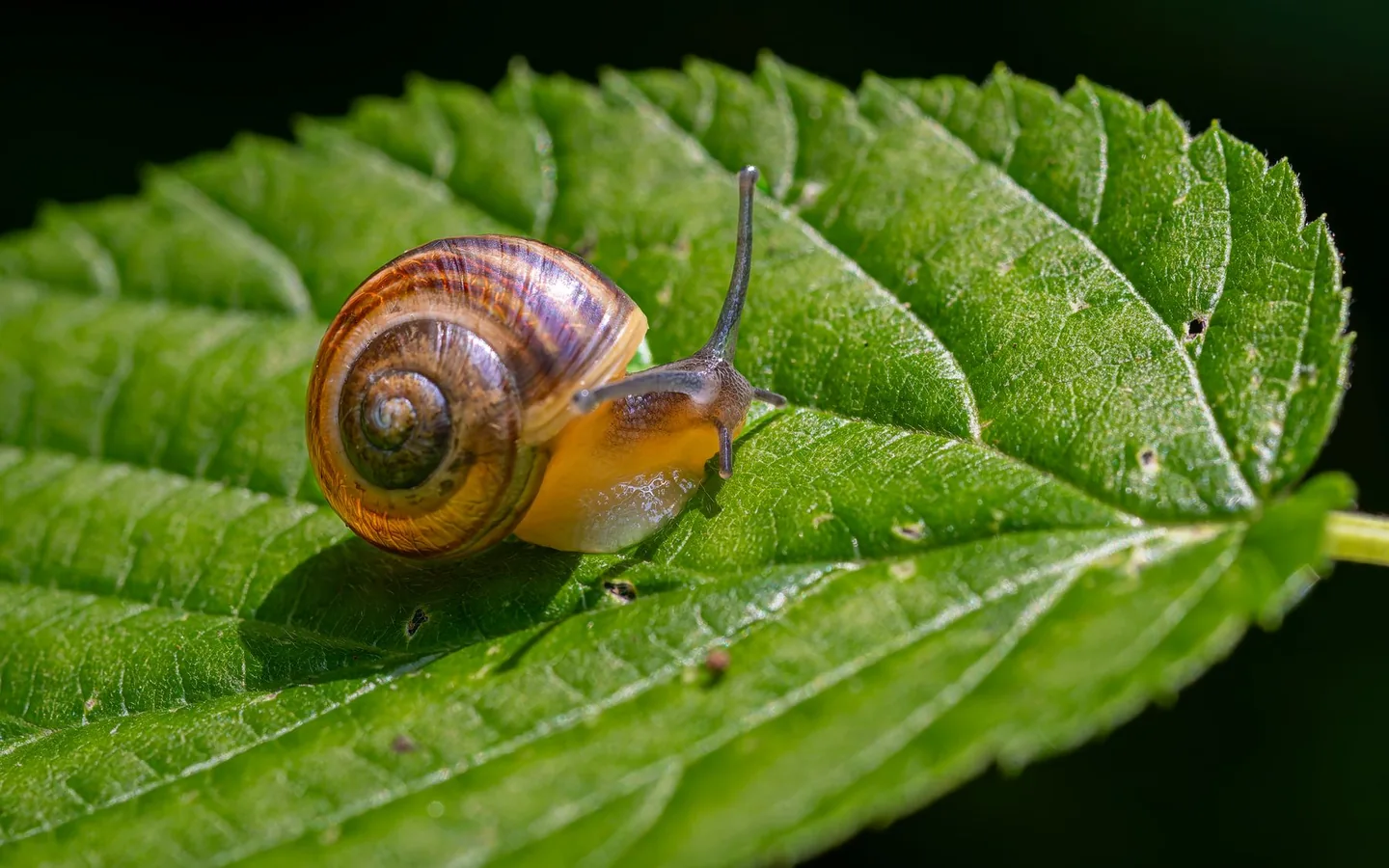
Snails can turn a newly planted tray of seedlings into ragged stems overnight. Their feeding is particularly noticeable on hostas, lettuce, delphiniums and other soft new growth.
You don't have to make the garden snail-free to grow healthy plants. The effective aim is to protect vulnerable plants when damage is most likely, rather than trying every homemade deterrent you see online.
Is the damage caused by snails?
Look for irregular holes with relatively smooth edges, sometimes through the middle of a leaf and sometimes along the edge. Young seedlings may be eaten down to a short stump.
Snails feed mainly in damp conditions, especially at night and after rain. But slugs, caterpillars, vine weevils and other pests can produce similar damage.
Before choosing a control method, look for actual snails on or near the affected plants. A torch and a short visit after dusk may tell you more than guessing from the holes.
Snails and slugs: the important difference
Snails usually carry a visible coiled shell. Many species rest in sheltered places such as under pots, behind edging and within dense vegetation.
Slugs have no obvious external shell and may spend more of their time hiding in soil or potting compost.
Both can damage young plants, but not every control works equally for both. For example, some nematode products marketed for soil-dwelling slugs are unlikely to control most garden snails effectively.
Six ways to reduce snail damage
| Method | What it does | Limitations |
|---|---|---|
| Inspect and hand-collect at dusk | Removes snails feeding near valuable plants | Needs repetition after wet nights |
| Raise healthy seedlings in pots first | Lets plants grow past their most vulnerable stage | Still protect young leaves |
| Remove excessive shelter beside vulnerable beds | Reduces resting places close to plants | Retain sensible wildlife habitat elsewhere |
| Use a physical plant cloche | Protects individual seedlings temporarily | Needs ventilation and secure edges |
| Check pots and their undersides | Finds snails before they climb up to feed | Must be repeated |
| Grow less vulnerable plants in badly affected spots | Reduces damage without constant intervention | Limits plant choices |
The best approach usually combines several simple measures rather than relying on one expensive product.
Hand-picking after rain really works
Head out with a torch after dusk during damp weather. Check the undersides of leaves, along the base of walls and around the rim and underside of pots.
Gather snails from plants suffering heavy damage. Repeat over several evenings, especially after rain or when newly transplanted seedlings are putting on soft growth.
Wear gloves if preferred, and wash your hands after handling snails or contaminated leaves.
Avoid relocating collected snails into another person's garden or vulnerable natural habitat. Local approaches to humane disposal vary; the immediate goal is to remove them from the threatened crop.
How to protect seedlings and young transplants
Sturdy plants are less vulnerable than tiny seedlings. Raise some vegetables and bedding plants in modules until roots and leaves have developed, then harden them off before planting.
Our guide to hardening off seedlings explains how to make the transition safely.
A ventilated cloche or fine mesh cover can protect young plants, but check for snails already inside before fitting it.
Keep covers from pressing onto soft shoots and monitor temperature on sunny days so the plants don't overheat.
Do eggshells, copper tape and grit work?
These barriers are popular, but controlled RHS trials found no meaningful reduction in slug and snail damage from several commonly suggested materials, including crushed eggshells, copper tape, sharp grit, bark and wool pellets under the tested conditions.
That doesn't mean every barrier will fail in every garden. It means these materials shouldn't be presented as dependable protection on their own.
Spend your effort first on identifying where snails hide, removing them from vulnerable areas and raising more resilient plants.
What about beer traps?
Beer traps can catch slugs and some snails, but they also require regular checking and can capture unintended insects if badly designed.
If using a trap, keep its rim appropriately positioned and protect it from access by curious pets or children. Empty it frequently and don't leave decomposing material in the garden.
A trap is not a replacement for monitoring plants and choosing suitable planting locations.
Should you use slug pellets?
The RHS currently recommends avoiding slug pellets, including products described as organic, because of their potential effects on garden wildlife.
For a domestic garden with a limited number of vulnerable plants, physical protection, selective removal and better establishment are usually reasonable first steps.
Never improvise chemical baits or use substances not authorised for garden use. Keep any pest-control product away from children, pets and edible produce unless its label explicitly permits the use.
Nematodes: useful against slugs, not a guaranteed snail solution
Biological control using Phasmarhabditis nematodes can reduce certain soil-dwelling slugs under suitable moist soil conditions.
They are unlikely to provide reliable control of snails, which spend much of their time above ground or in shelters.
This distinction matters if your main problem is large shelled snails climbing a raised bed every evening. Don't buy a slug-specific treatment expecting it to eliminate them.
Snails in containers and hanging baskets
Snails can hide underneath pots or within the drainage area and emerge to eat plants after dark.
Raise pots where practical and inspect the base, saucers and surrounding wall. Remove accumulated wet leaf litter that conceals snails close to vulnerable plants.
Ensure compost drains properly. A constantly wet saucer can harm plant roots as well as encourage sheltered conditions for pests.
Our pot compost guide explains how appropriate drainage supports healthier container plants.
Hostas, delphiniums and other attractive targets
Some soft-leaved plants are more vulnerable to feeding. Hostas often show characteristic holes as their leaves expand.
Protect the earliest shoots, inspect after rain and consider moving the most vulnerable cultivars closer to a path where you can check them regularly.
If a site suffers repeated severe losses, choose tougher foliage plants suited to the same light and moisture rather than replacing the same seedlings every week.
Keep the garden wildlife-friendly
Many snails and slugs help break down organic matter, and birds, ground beetles and other animals feed on them.
Don't strip the entire garden of shelter or use indiscriminate treatments. Manage the area immediately around high-value seedlings while retaining healthy habitat elsewhere.
Our guide to winter slugs explains why molluscs may be active even before the main spring growing season.
Common mistakes
- Blaming snails without checking for them.
- Treating a copper strip as guaranteed protection.
- Using slug-specific nematodes against a mainly snail problem.
- Letting snails hide beneath the same pots year after year.
- Transplanting tiny vulnerable seedlings straight into heavily infested beds.
- Leaving traps unchecked until they attract other pests.
What is the best natural way to stop snails eating plants?
Frequent hand collection after dark, physical protection of young plants and making transplants more robust are practical starting points.
Does coffee stop garden snails?
Coffee grounds are not a reliably demonstrated protective barrier. High concentrations of caffeine can also affect plants and other organisms, so don't improvise chemical treatments.
Will snails eat healthy mature plants?
They can, especially soft foliage. But mature plants often tolerate a little feeding better than tiny seedlings.