
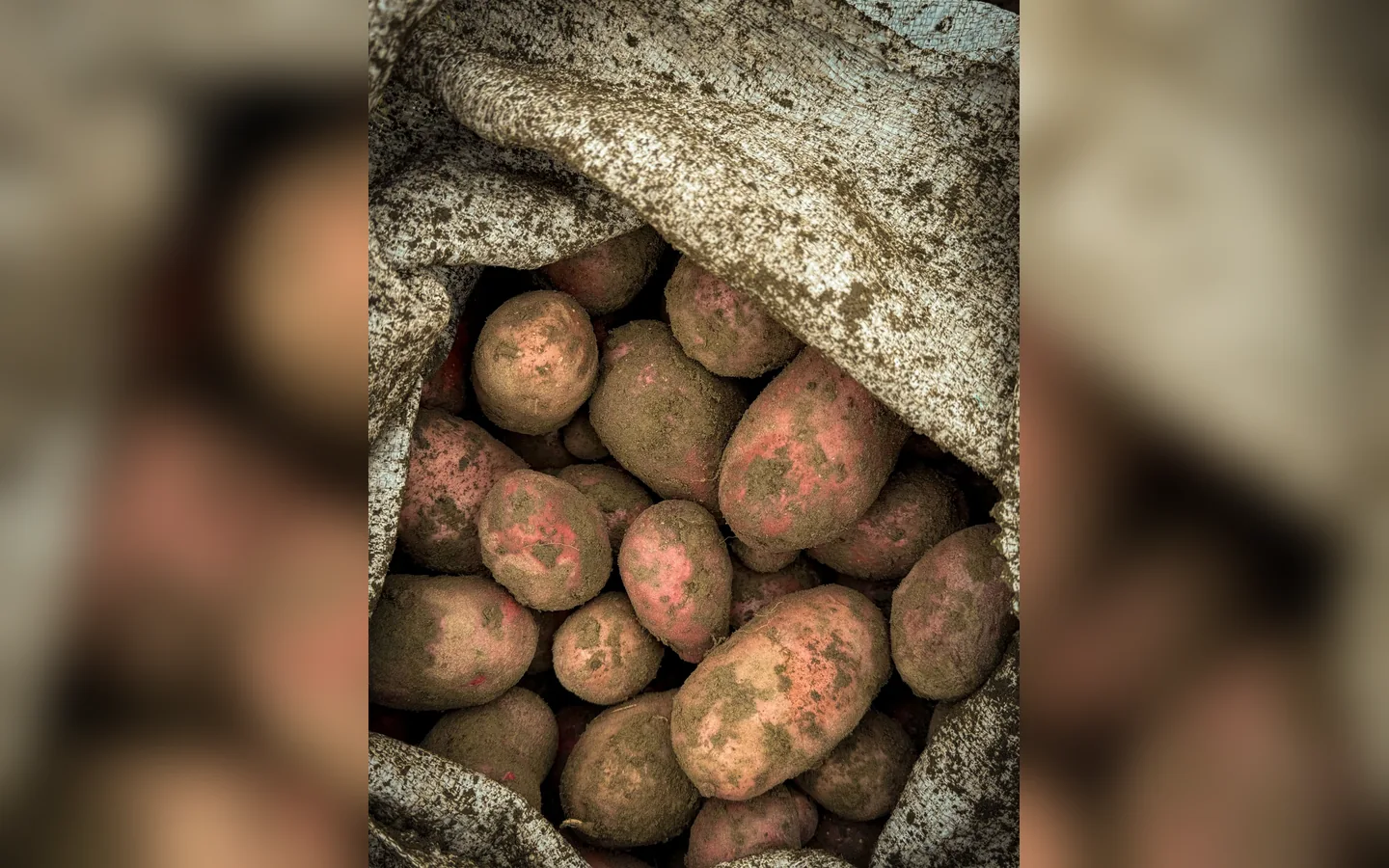
A good maincrop potato harvest can supply the kitchen for months, but only if the tubers are sound and stored correctly.
The goal is a cool, dark, frost-free, ventilated place where potatoes neither dry out excessively nor become damp and mouldy.
First early new potatoes are different: they're usually best eaten soon after lifting. Maincrop storage varieties develop tougher skins and are better suited to keeping through autumn and winter.
Which potatoes are worth storing?
| Crop type | Keeping potential | Practical approach |
|---|---|---|
| First earlies | Often short | Eat soon after harvest |
| Second earlies | Variable | Use relatively promptly |
| Maincrop storage varieties | Often several months if sound | Dry and store properly |
| Damaged potatoes | Poor | Use quickly if otherwise sound, discard spoiled |
| Green potatoes | Unsafe for eating | Discard |
| Wet rotten or mouldy potatoes | Unsafe | Discard and check neighbours |
Choose varieties described as good keepers if storage is one of your main goals.
Not every potato that looks perfect on lifting will keep equally long. Storage performance also depends on the growing season and how carefully the tubers were handled.
When should maincrops be harvested for storage?
For a long-keeping crop, allow the skins to mature before lifting.
The RHS advises that after the foliage yellows, growers can cut back remaining tops and wait about ten days before lifting so skins toughen.
Do not leave a crop indefinitely in saturated soil where blight, slugs or rot are becoming serious.
If tubers are already damaged or disease is suspected, adjust the harvest plan rather than blindly waiting ten days.
What does “skin setting” mean?
A newly formed potato has a relatively thin skin that rubs off easily.
As the crop matures, the skin becomes firmer and better able to withstand handling and storage.
This isn't the same as leaving potatoes in bright sunlight to dry for days. Light exposure can cause greening.
Handle the crop gently even after skin setting. Bruises may not become obvious until the potatoes have been stored for a while.
How to lift potatoes without bruising them
- Choose a suitable dry day if possible.
- Insert a garden fork away from the plant's base, not directly into the tuber cluster.
- Lift soil carefully and search for potatoes with your hands.
- Keep tubers from being dropped into deep buckets.
- Separate badly cut, green or diseased potatoes immediately.
- Brush off loose soil gently without scrubbing the skins.
- Let sound tubers dry briefly in shade or gentle conditions.
- Move them promptly to a suitable dark storage area.
Do not leave piles of fresh potatoes in strong sun where their skins can green.
Should you wash potatoes before storage?
Usually no. Washing can leave moisture trapped in crevices and encourage decay during storage.
Let soil dry, then brush off loose dirt gently.
Wash potatoes only when you are ready to prepare them for cooking.
If harvested tubers are very muddy, allow the surface to dry under cover with airflow before packing them away.
The right storage temperature
A cool, stable environment is better than a heated kitchen cupboard.
For many home-grown eating potatoes, a frost-free location roughly 5–10°C is a useful target, with the precise optimum depending on the variety and intended storage duration.
Extremely cold conditions can alter sugars and texture; temperatures below freezing can damage tubers.
Avoid warm rooms, where potatoes sprout and soften more quickly.
The ideal home store is dark, airy and reasonably stable rather than perfectly temperature-controlled.
Keeping out light
Potatoes exposed to light may turn green and accumulate increased glycoalkaloids.
Keep bags or crates out of direct and indirect daylight, using breathable coverings if needed.
Don't simply put potatoes into a clear plastic box on a sunny garage shelf.
Discard green potatoes rather than relying on peeling away the surface.
If a tuber has an isolated surface mark, assess it carefully; however, obvious greening is grounds for disposal.
What containers are suitable?
Wooden crates, ventilated trays, hessian sacks and suitable paper sacks can all work.
The storage container should let air circulate while excluding light.
Avoid sealed plastic bags, which can trap condensation and accelerate mould and rot.
If using a crate with wide gaps, cover it with breathable dark material while allowing ventilation.
Do not pile a very heavy stack of potatoes so deeply that the bottom layer becomes bruised under the weight.
Can potatoes be stored in a garage?
Possibly, if the garage stays cool, frost-free, dry enough and dark.
An uninsulated garage may become freezing on winter nights or very warm during sunny weather.
Check actual conditions with a thermometer during a cold spell. A garage that is safe in October may not be safe in January.
Avoid storing food crops beside leaking chemicals, petrol or damp waste.
What about a garden shed?
A shed can be suitable for short-term storage in autumn, but many freeze in winter.
If you use one, monitor temperature and protect tubers from frost without sealing away airflow.
Don't rely on a single thin cloth over crates to protect potatoes from prolonged sub-zero nights.
A secure dry cellar or cool utility area may be better if it stays at a suitable temperature.
Should you store potatoes in the fridge?
Cold domestic refrigeration is not normally the first choice for storing a large home-grown maincrop because of space, condensation and changes in cooking quality.
However, don't claim refrigerated potatoes automatically become poisonous. Current food-safety guidance doesn't support that older blanket statement.
For ordinary household storage, a cool dark airy non-freezing area is usually simpler.
Whatever storage method you use, inspect potatoes and discard spoiled ones.
How often should you check your stored crop?
Inspect at least periodically, and more frequently after temperature swings or if one tuber begins rotting.
Remove soft, wet, mouldy or foul-smelling potatoes immediately.
Also look for sprouts, shrivelling and signs of pest damage.
Use sound potatoes that are beginning to lose quality rather than continuing to store them for another month.
A single rotten tuber can spoil several neighbours if left in a damp stack.
What if potatoes start sprouting?
Sprouting is a sign that storage conditions or time are encouraging growth.
Small sprouts can sometimes be removed from otherwise sound firm potatoes, but don't eat potatoes that are green, badly shrivelled, soft or otherwise deteriorated.
Use the remainder promptly rather than treating heavily sprouted produce as fresh.
Avoid storing potatoes next to warm appliances or in direct light.
Can you keep potatoes beside onions?
Potatoes and onions have different moisture and air requirements. Keeping them in separate well-ventilated areas is a practical approach.
A damp potato store isn't suitable for onions that need dry conditions.
Don't assume a sealed box of mixed vegetables is an efficient storage solution merely because both are root or bulb crops.
Give each crop appropriate ventilation and check its condition separately.
Blight and storage potatoes
If potato blight was present in the crop, tubers may be vulnerable to developing rot later.
Only store sound, dry, apparently healthy potatoes, and inspect them more frequently.
Don't keep suspect potatoes tightly packed against a healthy crop.
If diseased tubers are confirmed, dispose of them appropriately rather than adding them to a casual cool compost heap.
Can you store potatoes grown in bags?
Yes, if they're suitable mature maincrop varieties with sound skins.
But first earlies grown in a patio bag usually make better fresh eating potatoes.
For container growing, our potting compost guide explains the role of growing medium; storage quality will also depend on variety, harvest timing and tuber health.
For soil preparation before the next growing season, see how to prepare soil for spring planting.
A practical storage checklist
- Select sound mature maincrop tubers.
- Handle gently and keep them out of bright light.
- Let surface moisture dry before packing.
- Choose cool, stable, frost-free storage conditions.
- Exclude light while allowing ventilation.
- Keep the crop away from contamination and leaking liquids.
- Inspect regularly for sprouting and decay.
- Discard green, mouldy and rotten potatoes.
Common storage mistakes
- Washing a large crop then sealing it wet in plastic.
- Leaving potatoes in sunlight to “cure”.
- Storing tubers in a freezing garden shed.
- Keeping them in a warm kitchen cupboard for months.
- Ignoring rot in the bottom of a deep bag.
- Eating green or severely spoiled potatoes.
- Assuming every early variety stores as long as maincrop potatoes.
How long will home-grown potatoes keep?
Good maincrop varieties can keep for several months in suitable conditions. New potatoes are best used much sooner.
Can you store potatoes in paper bags?
Yes, provided the bags stay dry, exclude light and allow sufficient airflow.
Should I leave soil on stored potatoes?
Brush off loose dry soil but generally don't wash the tubers before long-term storage.