
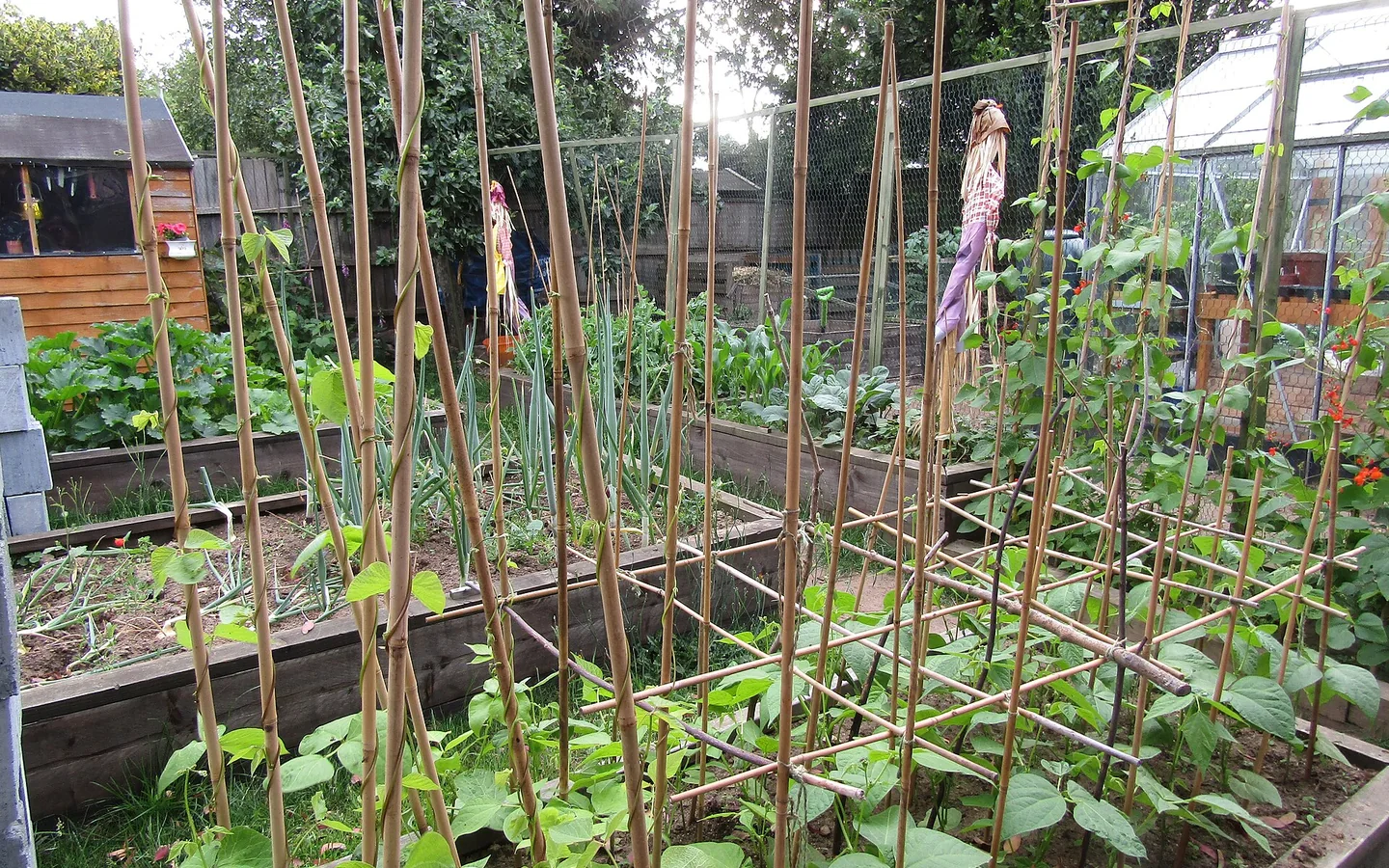
A raised bed makes it easier to create a defined growing area and concentrate compost where you need it. It doesn't automatically produce more vegetables, though. Poor location, crowded planting and dried-out soil cause the same problems in timber frames as they do in open ground.
Start with one bed you can reach and water comfortably. You'll learn more from a successful small crop than from building a whole allotment's worth of beds before you've grown anything.
Is a raised bed right for your garden?
Raised beds are useful where soil is compacted, access is difficult or you want a clearly organised vegetable plot. They can also help with soil preparation and drainage in some conditions.
They cost money to build and fill, and the soil can dry faster in warm weather. If your existing ground is fertile and easy to work, a normal in-ground bed may be just as productive for less expense.
On patios, ensure the bed has a suitable base and drainage system. On balconies or roofs, check structural loading before considering any filled raised structure.
Where should you put a vegetable raised bed?
Most common fruiting vegetables need generous direct sunlight. Choose a sunny, reasonably sheltered spot with a nearby water source.
Avoid deep shade from trees, walls and tall hedges. Large tree roots can compete strongly with vegetables, even inside an open-bottomed frame.
Leave practical access around the bed. A perfect layout on paper is less useful if you cannot wheel a barrow past it or reach the back without stepping onto the growing soil.
What size should a beginner's bed be?
A good first bed might be around 1.2m wide by 2.4m long, but adjust to your space and reach. Where you can work from both sides, a width around 1.2m is convenient for many adults. A bed against a wall should generally be narrower so you can reach it from one side.
For shallow-rooted crops such as salad leaves, around 30cm of growing depth can be workable. More demanding or deeper-rooted crops, shrubs or trees may need much greater depth, especially over paving.
| Design decision | Sensible starting point |
|---|---|
| Width with access from both sides | Around 1.0–1.2m |
| Length | Keep manageable; around 2–3m is a useful first project |
| Paths | Wide enough for you and your tools |
| Depth | Match the crops and whether roots can enter the ground beneath |
| Position | Good sun and reliable water access |
Don't force a universal depth onto every situation. An open-bottomed bed over healthy soil behaves differently from a shallow closed planter sitting on concrete.
What materials should you use?
Untreated or suitably outdoor-rated timber, brick, stone and purpose-built metal raised-bed kits are options. Each has trade-offs in cost, lifespan, handling and heat.
Avoid using unidentified reclaimed timber that may have harmful preservatives, especially for edible crops. Keep the sides stable and edges safe to touch. Very tall beds need adequate structural support so soil pressure does not push them outward.
A bed doesn't need to be a decorative monument. It needs to hold suitable soil, drain properly and remain stable through wet winters.
How do you fill a raised bed?
The filling depends on its depth, base and intended crops. Many vegetable beds benefit from a mixture of suitable topsoil and organic matter rather than a huge volume of light, rapidly drying potting mix.
Avoid using uncomposted woody waste as the main growing layer in a shallow bed. As it decomposes, the level can sink, and roots may encounter poor conditions. If you use an established layered-bed method, understand its limits and the crops being planted.
We already have a dedicated guide for the filling job: how to fill a raised bed. Use that for soil materials rather than guessing a universal recipe here.
For the amount of mix your chosen dimensions will require, use our raised bed soil calculator.
Which crops are best for a first season?
Choose a few that match your climate and eating habits.
Salad leaves grow relatively quickly in suitable weather and can be sown in small batches.
Radishes are useful for an early, fast crop if kept watered and not overcrowded.
Dwarf French beans can be rewarding in the warm growing season after frost risk has passed.
Beetroot suits many beds with enough depth and spacing; thinning is often important.
Chard can be productive over an extended period, although leaves need protection from pests and harsh weather.
Tomatoes and courgettes are possible in suitably large, sunny beds, but take a lot of space and need more watering and feeding. Start with compact crops if this is your first attempt.
How to plan the planting space
Read the seed packet's final spacing, not just sowing depth. A seedling looks tiny, but a mature courgette can cover a sizeable portion of a small bed.
For larger crops, mark final positions before sowing. If you're using several rows of carrots, spinach or beetroot, avoid crowding simply to fit more seed packets in.
Our plant spacing calculator helps estimate plant numbers, but always check the variety's stated spacing.
A simple first-year planting sequence
Late winter and early spring: prepare the bed when soil isn't waterlogged. Start suitable hardy crops or seedlings according to packet conditions.
Spring: sow quick salad crops and beetroot in batches as soil warms. Protect young plants against slugs, birds and cold where needed.
After the last frost: plant tender crops such as French beans when conditions are suitable.
Summer: harvest little and often, water properly and re-sow quick crops in cleared spaces.
Autumn: remove spent plants, add appropriate organic matter and consider suitable overwintering crops for your region.
Dates vary across the UK. A sheltered southern garden and an exposed northern plot do not warm up at the same time.
Watering and mulching a raised bed
Check moisture several centimetres into the soil, not just the dry surface. A raised bed often drains well, but that can also mean faster drying during heat or wind.
Water deeply when needed rather than delivering a daily sprinkle that wets only the top. Mulch suitable crops once soil is moist to reduce evaporation and suppress weeds, keeping material away from tender stems.
If you're planning a watering setup, use our garden irrigation planning guide to think through access and supply before purchasing equipment.
Keeping soil productive year after year
Add well-finished garden compost or other suitable organic matter periodically. Avoid walking or standing in the growing area, as compaction reduces air spaces for roots.
Rotate crop families where practical and remove diseased plant material appropriately. A small raised bed has limited scope for elaborate crop rotations, so record what grew where and concentrate on good soil health, spacing and hygiene.
Mistakes to avoid
- Building more beds than you can water or afford to fill.
- Putting the bed in shade simply because the space is unused.
- Making it too wide to reach across.
- Overcrowding seedlings because empty soil seems wasteful.
- Using poorly identified treated timber for edible crops.
- Assuming a very shallow bed over paving can support deep-rooted crops.
- Neglecting watering during hot spells.
Do raised beds need a bottom?
Over suitable garden soil, many are open at the bottom so roots and water can move into the ground. Over paving, a suitable base and drainage design may be needed.
Can you fill a raised bed with compost only?
Some specialised mixes work, but a large deep bed filled entirely with light potting compost can be expensive and dry or settle quickly. A suitable soil-based blend is often more practical.
Is one raised bed worth having?
Absolutely, if you choose a sunny site and a few crops you will use. One well-maintained bed is a sound way to learn.