
You've been filling the compost bin all autumn, and by January it seems to be doing absolutely nothing. The grass clippings have stopped arriving, there are piles of wet leaves everywhere and the vegetable peelings you added three weeks ago still look like vegetable peelings.
That doesn't mean the heap has failed.
Composting carries on in winter, but it usually slows down because the organisms breaking down the material are less active in cold conditions. You can still add suitable kitchen and garden waste. The main job is to stop the heap becoming a sodden, compacted mass.
You don't need a heated bin or a complicated system. A little attention to moisture, airflow and the mixture of materials is usually enough.
Why does compost slow down in winter?
Compost is made by living organisms: bacteria, fungi and a much larger community of soil creatures.
They break organic material down, releasing heat as part of the process. In warmer weather a well-managed heap can get surprisingly hot.
Decomposition naturally slows as temperatures fall. A large, insulated compost heap may retain useful warmth, while a small plastic bin in an exposed garden often cools much faster.
Short days and winter rain don't help. The heap may receive a lot of moisture but little fresh, dry material to balance it.
There's no requirement for a home compost bin to be hot all year. A cold heap can still produce good compost; it simply takes longer.
Can you keep adding kitchen waste in December and January?
Yes. Fruit and vegetable peelings, coffee grounds, tea leaves and other suitable household organic waste can go into a home compost bin throughout winter.
The important thing is what you mix them with.
Kitchen scraps are generally moist and nitrogen-rich. If you keep tipping them into one wet pile, they may clump together and restrict airflow.
Add dry, carbon-rich material between layers. Torn plain cardboard, shredded untreated paper and dry leaves are useful choices.
Aim for roughly equal parts green and brown material by volume as a practical starting point. That's not a strict recipe, but it helps you avoid a slimy heap.
Avoid cooked food, meat, fish and dairy in an ordinary open home heap because they can attract pests and create smells. Specialist sealed systems are designed differently.
What's the difference between greens and browns?
The names refer to the materials' properties, not always their colour.
Greens are generally wetter and richer in nitrogen: fruit and vegetable scraps, fresh soft plant material and limited amounts of fresh grass clippings.
Browns are usually drier and richer in carbon: fallen leaves, shredded cardboard, paper, straw and small woody prunings.
Composting organisms need both. Too many greens can lead to a wet, unpleasant smell. Too many browns can leave a dry heap that barely changes.
Think about the material in your hands. A bucket of vegetable peelings needs something absorbent mixed through it. A dry pile of twiggy leaves may need moisture and greener waste to break down.
There's no need to weigh every addition or keep an elaborate spreadsheet.
How do you stop a winter compost bin getting waterlogged?
Start by checking whether rain is running directly into it.
A bin with a sound lid usually sheds most of the rain. An open heap can benefit from a removable cover such as a suitable tarpaulin or sheet of cardboard, arranged so the material doesn't become completely sealed and anaerobic.
Cover open heaps to prevent winter soaking.
Check the bottom too. Compost needs drainage. A container with no escape route for excess water can turn into a smelly slurry.
If the heap already feels soaking wet, introduce dry browns gradually and mix them through a manageable amount of material. You don't need to turn the whole bin in the middle of a freezing rainstorm.
A healthy compost heap should be moist enough for decomposition without dripping water every time you squeeze a handful.
Should you turn compost in winter?
Generally, less often. Turning introduces air but releases stored warmth, so minimise winter turning.
If the heap is compacted, waterlogged and smells sour, gentle mixing with dry browns can help. Otherwise, let it work slowly and save thorough turning for milder weather.
Does covering the heap make it too airtight?
It can if you seal it completely. Compost needs oxygen, so a cover should shed heavy rain while still allowing ventilation.
Keep purpose-built bin vents clear and avoid airtight plastic wrapping. If a heap becomes black, slimy and smells strongly unpleasant, examine its moisture and airflow.
Is it worth insulating a compost bin?
It can help maintain warmth, particularly with a large heap.
Use straw bales or bags of dry leaves around the sides of an open compost heap. That slows heat loss without requiring a powered heater.
Position also matters. A sheltered spot that catches some low winter sunshine may be more useful than an exposed, shaded corner where wind cools the bin all day.
But insulation isn't magic. A tiny heap with little active decomposition won't suddenly produce a constant supply of heat because you've wrapped it in bubble plastic.
If your bin is already sheltered and reasonably full, getting the mixture right is usually more worthwhile than buying insulation.
Can a small plastic bin still work?
Yes, although it cools faster than a large heap. Keep adding a balanced mix and chop up coarse waste so organisms have more surface area to work on.
Don't compress each layer. If the bin fills faster than it settles, use a second bin or store dry leaves and cardboard nearby for later mixing.
What should you do with all the fallen leaves?
Leaves are valuable composting material, but there can be too many to put straight into one small bin.
Make leafmould separately. You can collect leaves into bags or a wire enclosure, allow some moisture and air through, and leave them to decompose over time.
Leafmould is generally slower to make than ordinary garden compost and may take a year or two depending on the leaves and conditions.
Keep a bag of dry leaves nearby as a supply of browns for kitchen waste throughout winter.
Avoid taking every fallen leaf from the whole garden. Some leaves under shrubs and in less-used corners provide useful habitat for overwintering invertebrates.
If you collect leaves from paths or lawns, check for litter and other contamination before composting them.
Can you put winter prunings into compost?
Yes, but size makes a big difference.
Thin, soft prunings can be chopped up and mixed with other materials. Woody branches need much longer to break down unless they're shredded.
If you've cut a lot of thick stems, consider chipping them for suitable paths or mulching areas rather than expecting whole sticks to turn into compost by spring.
Avoid composting badly diseased material where your home heap is unlikely to reach temperatures high enough to destroy the problem.
It's better to remove a serious infection according to the specific disease guidance than spread it around the garden later.
Our winter shrub pruning guide explains why not every shrub should be cut back at this time of year.
What about composting worms in winter?
Wormeries behave differently from ordinary compost bins.
Composting worms slow down in cold conditions and can be harmed if their living space freezes. They also need suitable moisture and drainage.
Move wormeries into a sheltered position, garage or shed where necessary, while making sure the environment remains appropriate.
A sheltered spot isn't always frost-free, so check temperatures during severe cold.
Feed less when the worms are inactive. Adding large quantities of food that nobody is eating can leave material rotting in the container.
Follow the wormery supplier's guidance on what to feed and how to manage bedding. Avoid adding large amounts of raw citrus and onion-family waste to a wormery.
Is a hot compost bin worth buying?
Insulated hot composters can process suitable waste faster, but they're not essential. They need the right mixture and care, and cost more than an ordinary bin.
A traditional heap can also heat naturally when it's large enough and conditions suit. Winter slowdown alone isn't a good reason to replace a working system.
How can you tell if the compost is ready?
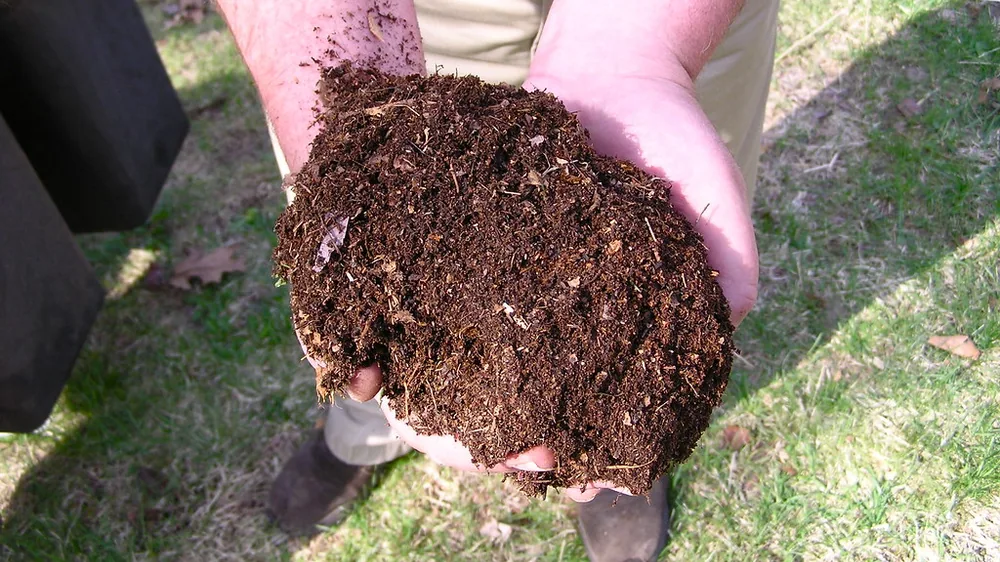
Finished compost usually looks dark and crumbly, with an earthy smell and few recognisable original ingredients.
Not every piece of twig has to disappear, but a heap full of identifiable peelings and tough leaves isn't finished.
You can screen out larger pieces and return them to the active bin for further breakdown.
Well-rotted compost improves soil structure and makes a useful surface mulch. But using half-finished, excessively wet material around delicate seedlings may cause problems.
If your heap has been cold all winter, allow time for decomposition to resume as spring warms the garden.
A sensible winter routine
Keep a container of dry browns nearby, add suitable food waste as it arrives and cover the heap against excessive rain.
Check moisture occasionally. Mix gently if the material is waterlogged, but avoid turning a healthy heap unnecessarily through freezing weather.
As spring approaches, you'll often notice the contents starting to settle and break down more quickly.
Winter composting is mostly about keeping good conditions in place until the organisms can work faster again. You don't need to force the process.
For using finished compost, read how to prepare soil for spring planting and mulching in winter.