
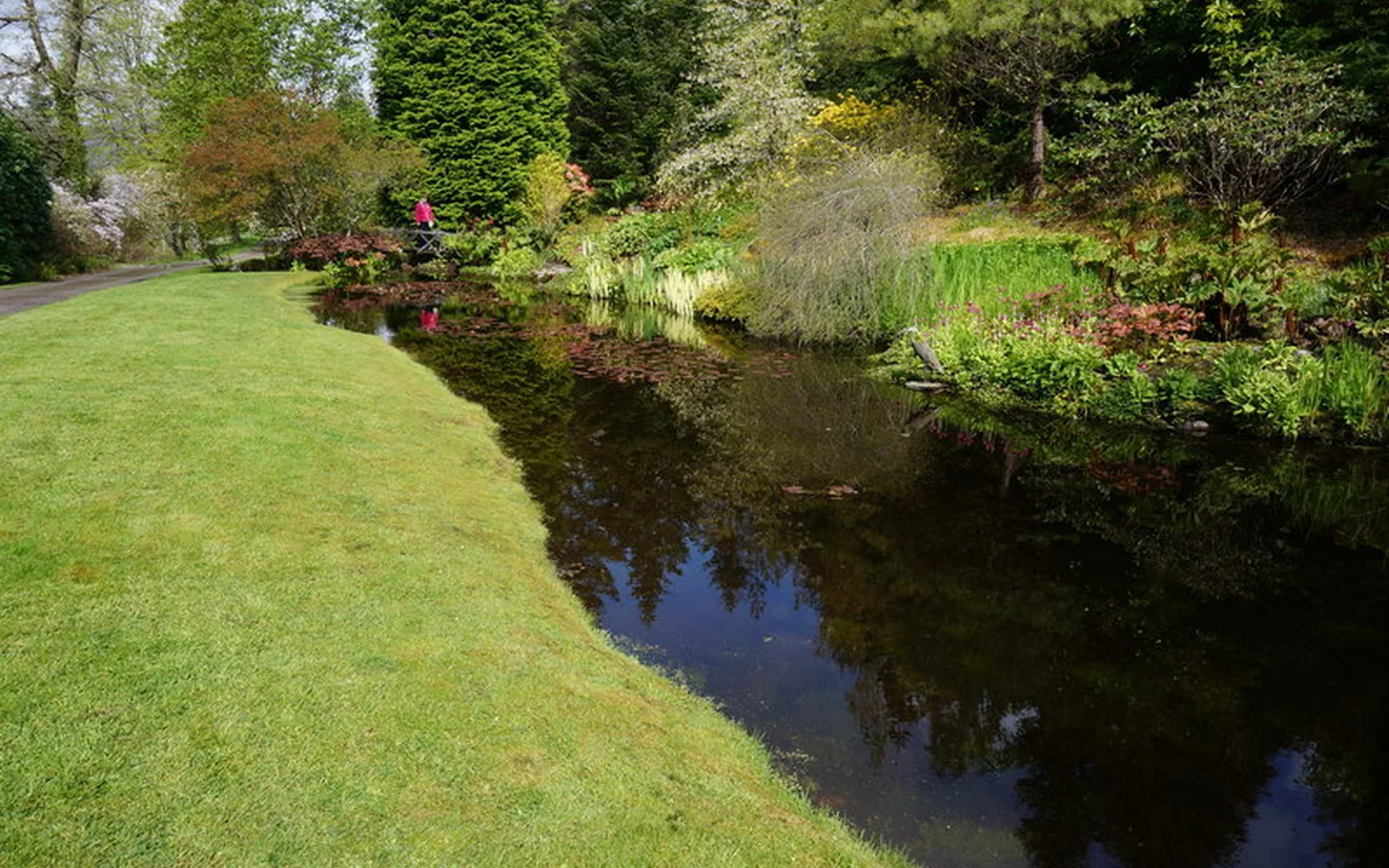
A wildlife garden doesn't need to look abandoned, and you don't have to replace your lawn with a meadow. Even a small patio or ordinary back garden can provide food, water and shelter for insects, birds and other animals.
The most useful change is often to add what your garden currently lacks. A garden full of flowers but no water may benefit from a shallow pond or birdbath. A neatly clipped lawn surrounded by hard fencing needs different habitats, such as a hedge, ground cover or a quiet log pile.
Start by noticing what already visits
Spend a few minutes outside at different times. Where do bees find flowers? Do birds perch in shrubs or only fly over the garden? Is there a damp corner where insects shelter? Which parts receive sun, and which remain shaded?
Keep existing useful plants where possible. A mature tree or established hedge usually provides more shelter than several new annual bedding plants, so don't clear everything simply to start from a tidy drawing.
Choose one or two improvements you can maintain rather than tackling the whole plot in a weekend.
Five changes that help wildlife
| Change | Who may benefit | What matters most |
|---|---|---|
| Flowers through the seasons | Bees, hoverflies, butterflies and other pollinators | Suitable flowers available across spring to autumn |
| A small pond or safe water source | Insects, birds, amphibians and small mammals | Shallow access, escape routes and clean water |
| Hedge, shrubs or dense planting | Birds and sheltering insects | Cover from disturbance and predators |
| Log pile or leaf litter | Beetles, fungi and other decomposers | A quiet, mostly undisturbed location |
| Less pesticide use | Insects and animals that feed on them | Identify the actual problem before intervening |
Think of the garden as a small network. A patch of nectar-rich flowers is useful, but pairing it with shelter and water gives visitors more reasons to stay.
Plant flowers for several parts of the year
Aim for a succession rather than a huge flush in June followed by nothing. Spring bulbs, early-flowering shrubs, summer perennials and late-flowering ivy can all play a part, depending on their location and suitability.
Choose simple, accessible flowers where possible. Very double-flowered cultivars can offer less accessible pollen or nectar than single forms.
Useful garden choices can include crocus and native primrose in spring, chives and thyme flowers in sunny summer pots, and suitable asters or ivy flowers later in the year. Check eventual size and growing conditions before buying anything.
Even containers help. For planting ideas through the colder months, see winter flowers for bees.
How to make a small wildlife pond
A pond can support an impressive range of garden life even when it is modest in size. Use a suitable pond liner or a watertight container, and position it where some sunlight reaches the water but there is also cover nearby.
Give wildlife a reliable way in and out. A gently sloping side is ideal. A container pond needs a secure ramp or arrangement of stable stones both inside and outside; otherwise small animals can become trapped.
For a larger garden pond, aim for different depths and shallow margins where creatures can drink and move. Add appropriate pond plants rather than treating the water as an ornamental bowl that must always look sterile.
Avoid introducing fish if your main aim is to support aquatic insects and amphibians: fish often eat their eggs or young.
For sizes and liner estimates, use our pond volume and liner guide and pond liner calculator.
Water safety and maintenance
Open water is a risk to young children. If children can reach the space, choose a safer shallow birdbath or other suitable design, supervise appropriately and use physical protection where necessary. Don't assume a tiny pond is harmless.
Top up in dry spells, preferably with rainwater when practical. If algae or blanketweed appears, avoid tipping in household chemicals. Dense plant growth, excess nutrients and strong sun may all play a role.
Allow a pond to establish. Repeatedly emptying and scrubbing the entire thing removes the wildlife you created it for. Remove excessive debris carefully and leave some cover.
Add shelter without building a wildlife hotel
Leave a small pile of untreated logs or branches in a quiet shady corner. Rotting wood and leaf litter provide habitat for insects and other organisms, which in turn feed birds and mammals.
A patch of longer grass with a mown edge can be useful, but it still needs management. Cut it at a suitable time and remove some cuttings if you are trying to reduce soil fertility for wildflowers.
A dense mixed hedge can be valuable where space allows, but select species and mature sizes responsibly. Don't plant a vigorous hedge across a narrow path and expect it to stay compact without work.
For tight spaces, our plant spacing guide helps with planning numbers.
Make your garden useful to birds
Birds need more than feeders. Shrubs for shelter, insects for food and a safe source of drinking and bathing water all matter.
If you put out feeders, clean them regularly and remove old wet food to reduce disease risk. Position them where birds have nearby cover but predators cannot easily ambush them.
Choose natural food sources too: berries where appropriate, seedheads and insect-friendly plants extend the value beyond a single feeder.
What about wildlife-friendly lawns?
You can leave part of an ordinary lawn longer during suitable periods, especially where flowers such as clover are present. A small sunny strip can provide habitat without turning the main walking route into long grass.
If you want a true wildflower meadow, it's more involved than scattering seeds onto an established fertile lawn. Existing grasses compete strongly, and many meadow flowers prefer low-nutrient soil and planned cutting.
Start modestly and learn what establishes in your soil. A neat mown path and smaller area of longer vegetation can look intentional rather than neglected.
Avoid these common wildlife gardening mistakes
- Buying invasive or excessively vigorous plants without checking local suitability.
- Moving wild amphibians into a pond to stock it. Let wildlife arrive naturally; moving animals can spread disease and may be restricted.
- Using pesticides routinely when the problem is minor or can be managed another way.
- Installing a pond without escape routes, especially in a steep-sided container.
- Tidying every stem and leaf in autumn, removing shelter and overwintering sites.
- Leaving open water or garden structures unsafe for children and visitors.
A simple first-year plan
In spring, plant an early-flowering choice and add a reliable water source. Through summer, observe insects and birds rather than spraying at the first sign of damage. In autumn, establish a log pile or leave a controlled amount of leaf litter, and consider planting bulbs for next spring.
In winter, assess which parts remain empty of food or shelter. Add another plant or habitat only if it fills a real gap.
A wildlife garden improves through small useful decisions, not a shopping list of decorative "bug hotels".
Can a small paved garden attract wildlife?
Yes. Suitable pots, flowering climbers, water and a few sheltered areas help even when there is no open soil.
Do I need native plants only?
Native plants are often valuable, particularly to specialist insects, but other non-invasive garden plants with accessible flowers can also provide nectar. Aim for suitability and variety.
Can I make a wildlife pond in a pot?
Yes, if the container is watertight and has secure entry and exit routes. Consider weight, water safety and the plants it can support.