
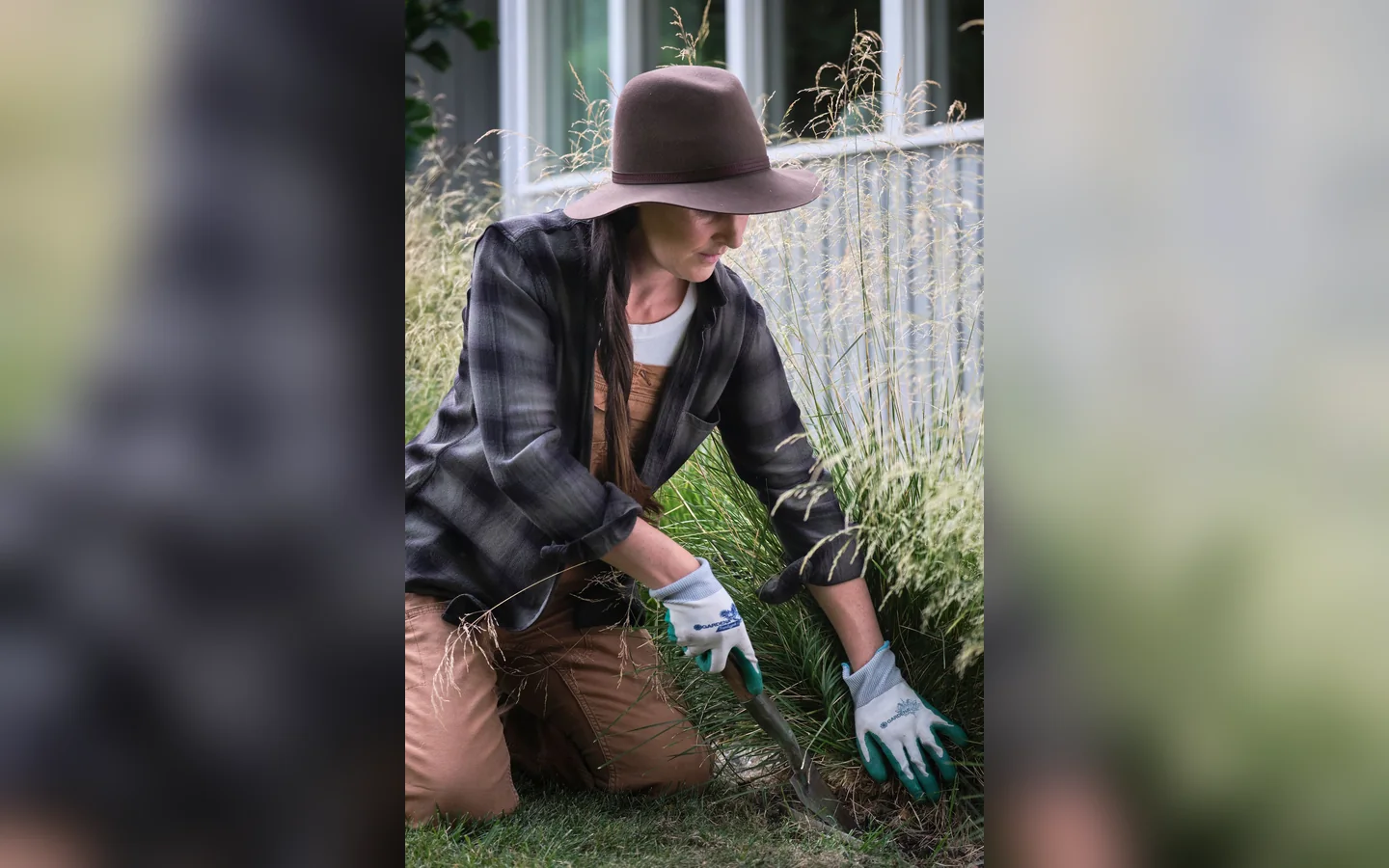
Garden weeds come in two very different groups: those that mostly spread by seed and those that can rebuild themselves from roots, rhizomes or creeping stems. A hoe may deal with the first group in minutes but leave the second completely undeterred.
Identify the type of weed before choosing a method. That single decision can prevent spreading a small patch into a much larger infestation.
First separate annual weeds from perennial weeds
Annual weeds grow from seed, flower and usually finish their life cycle within one growing season. Examples include groundsel and many annual chickweeds.
They are generally easiest to remove when seedlings are small and before flowering.
Perennial weeds survive from one year to the next. Some, such as dandelions, regrow from a long taproot. Others, including couch grass, ground elder and bindweed, spread from underground stems or roots.
The method you use should target how the weed reproduces, not simply its appearance.
Which tool should you use?
| Weed or situation | Useful tool | Key point |
|---|---|---|
| Tiny annual weed seedlings | Dutch hoe or hand hoe | Work before seed is set |
| Dandelion and similar taproot | Long narrow weeding tool | Remove as much taproot as practical |
| Couch grass rhizomes | Garden fork | Trace runners without chopping them |
| Ground elder beneath shrubs | Hand fork plus repeated cutting | Protect wanted shrub roots |
| Bindweed in a hedge | Secateurs and fork | Cut stems before untangling |
| Weeds between seedlings | Small hand tool or fingers | Avoid disturbing crop roots |
| Large empty weedy plot | Staged clearance and light exclusion | Don't move contaminated soil |
A rotavator can be useful for some clean soil preparation but may multiply weeds with regenerating rhizome pieces.
A quick routine for ordinary annual weeds
The easiest time to remove annual weed seedlings is before they become established.
On a dry day, skim a sharp hoe just beneath the soil surface to sever small weeds, keeping well clear of young crop roots.
Collect larger weeds and any that are flowering or setting seed. Tiny severed seedlings may dry on the soil surface in suitable weather, but rain can allow some to re-root.
Return after the next spell of warm rain, when a fresh wave of seedlings will often emerge.
How to deal with perennial weeds
For plants such as couch grass and ground elder, exposing or removing the rhizome network matters more than chopping visible leaves.
Work in small sections with a fork, lifting roots carefully. Where roots pass through shrubs, repeated removal of new shoots may be safer than destroying the wanted plants.
Don't expect total eradication in one session when deep roots are established throughout a border.
Set a short repeat routine so new shoots don't have time to replenish their underground reserves.
Why moving weeds can spread them
Carrying infested soil to another bed can introduce viable rhizomes and weed seeds to a clean area.
Avoid putting living couch-grass, bindweed or ground-elder rhizomes into a cool domestic compost heap.
Follow council green-waste guidance for persistent weeds and clean tools before moving from a badly affected area to fresh soil.
That is particularly important when dividing perennials or buying plants from an unknown source.
Mulch only after proper clearance
A mulch layer reduces light reaching the soil surface and slows germination of many annual weeds.
But it doesn't reliably kill established perennial rhizomes. If you spread bark over live couch grass, the grass may simply grow through it.
Clear major weeds first, then apply suitable mulch at the recommended depth while leaving plant crowns and stems clear.
Our mulch depth guide covers practical depths, and the mulch calculator helps estimate the volume needed.
Weed membrane: useful or a future headache?
A properly installed light-excluding cover can suppress many weeds in an empty area. It may help when preparing a new bed over time.
In a planted ornamental border, permanent woven membrane often becomes awkward: weeds germinate in accumulated soil on top, shrubs grow through holes and the material may become tangled in roots.
Deep-rooted perennials can also escape at seams and planting openings.
Use a cover only where it fits the intended design, and plan how it will be removed or maintained.
Should you dig over the whole garden?
Usually not for ordinary surface weeds. Repeatedly turning soil can bring buried weed seeds into light, causing more germination.
For a deep-rooted infestation, targeted digging may be justified. But don't disturb healthy established roots or use a rotavator through rhizomes.
When preparing a completely new bed, clear weeds in stages, preserve workable soil structure and avoid digging wet compacted clay.
Our soil improvement guide explains how to work the soil without making drainage worse.
How to prevent weeds among new plants
Choose plants at suitable spacing so mature foliage gradually shades exposed soil.
Keep the young planting weed-free during establishment. A few well-chosen ground-cover species may reduce bare soil, but be careful not to introduce vigorous plants that become weeds themselves.
Check the mature spread before planting. Our plant spacing calculator helps decide how many plants fit comfortably.
Are homemade vinegar and salt weedkillers safe?
Concentrated vinegar may scorch foliage without destroying perennial roots. Salt can damage soil and other plants, sometimes for a prolonged period.
Boiling water can injure desirable roots, wildlife and people. It is unsuitable around prized planting.
For routine garden borders, appropriate tools and repeat monitoring are a safer and more controllable starting point than improvised chemicals.
Only use a commercial product where it is currently authorised for that application, following the label precisely.
What about weeds in paving?
These are a separate problem from a living border. Seeds germinate in dust and organic material accumulating between joints.
Sweep joints and remove small weeds promptly using a suitable tool, without damaging the paving or jointing material.
A badly constructed surface with open joints may need structural repair rather than endless weed treatment.
The paving wastage guide helps if a worn area genuinely needs new slabs, though weed removal alone rarely requires repaving.
A simple month-by-month approach
Early spring: clear perennial weed shoots and hoe annual seedlings before growth speeds up.
Late spring: remove flowering weeds before seed is produced and mulch suitable clean beds.
Summer: revisit persistent rhizome weeds frequently and keep seedheads under control.
Autumn: tidy problem areas and begin staged clearance of a bed planned for next year.
Winter: avoid trampling wet soil, maintain covers where used and plan work for workable conditions.
Common weed-removal mistakes
- Treating all weeds as though hoeing solves them.
- Rotavating couch grass or bindweed roots.
- Putting persistent rhizomes in cool compost.
- Mulching before clearing perennial weeds.
- Turning the entire bed repeatedly and exposing dormant seed.
- Expecting weed membrane to eliminate every weed forever.
What's the easiest way to keep a border weed-free?
Clear perennial weeds properly, hoe small annual seedlings early and mulch exposed clean soil after planting.
How do you remove weeds without chemicals?
Hand lifting, careful hoeing, repeated cutting and light exclusion are the main methods. Choose according to the weed's biology.
Is it better to weed after rain?
Moist but workable soil is often easier for root lifting. Avoid digging when saturated clay would smear and compact.