
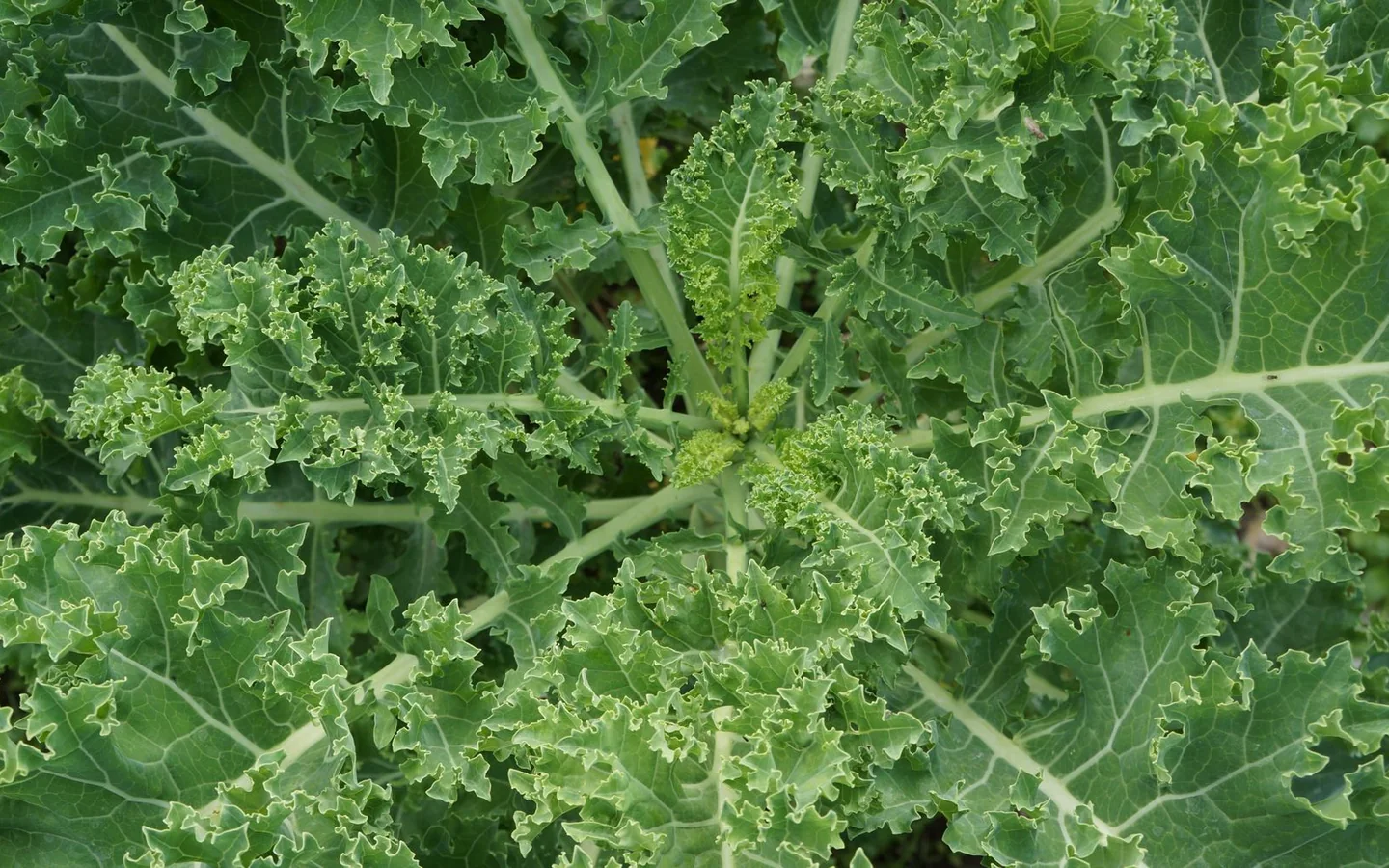
Kale is one of the most useful vegetables for a UK garden because it can keep producing leaves well into the colder months. But a good winter crop starts months earlier, with healthy young plants given enough space to grow.
A common disappointment is a row of tiny, chewed seedlings rather than sturdy plants. Usually the answer is to sow at a sensible time, transplant carefully and protect against pests from the start—not to feed damaged plants endlessly.
Which kale should you grow?
Kale isn't one single-looking vegetable. Curly kale has tightly ruffled leaves; cavolo nero, often called Tuscan kale, has long, dark, textured leaves. Red and purple varieties add colour to beds and dishes.
Choose according to the type of leaves you want and how much space you have. Mature plants are much bigger than supermarket bags of baby leaves suggest.
A compact curly variety can suit a large pot. Tall cavolo nero can be striking in the vegetable garden, but its long stems may need firm planting and some support in windy conditions.
When to sow kale in the UK
Most outdoor sowing is done between March and June, with the exact date depending on the variety and whether you want summer baby leaves or mature plants for autumn and winter.
For large winter plants, a spring-to-early-summer sowing gives time to establish a strong framework before the days shorten.
You can sow in modules under cover or into a separate outdoor seedbed. Kale is less delicate to transplant than carrots, so a seedbed is useful when the final planting space is still occupied by an earlier crop.
If you want tiny leaves for salads rather than full plants, sow much more closely and pick them young.
Choose the right growing site
Kale likes fertile, reasonably firm soil that retains moisture without being waterlogged. Sun is ideal, although light shade can be tolerated.
Remove weeds before planting and improve poor soil with well-rotted compost. Don't turn the bed into an excessively fluffy mound: tall brassicas are vulnerable to wind rocking loose roots.
Consider the bed's history. Kale belongs to the cabbage family, and repeatedly growing brassicas in the same soil increases the risk of problems such as clubroot.
If you've had brassica roots become swollen and distorted previously, take that history seriously rather than simply replacing one kale plant with another.
How to sow kale seeds
For outdoor sowing, make drills about 1cm deep, water the base if dry, and sow thinly. Cover and firm gently.
In a nursery seedbed, leave seedlings roughly 10–15cm apart as they develop. Transfer them to the final position once they are strong enough, often about six to eight weeks after sowing.
In modules, sow a small number of seeds per cell, then thin to one good seedling. Keep seedlings in good light so they don't stretch into long, weak stems.
Use our seed-starting guide to judge whether indoor sowing offers a real advantage at the time of year.
Transplanting kale without a check in growth
Harden off indoor-raised plants before they go outside. On planting day, water the modules well, lift the rootball gently and set each plant into firm soil.
Plant deeply enough that the lowest leaves sit close to the soil surface, then firm around the roots and water.
Allow 30–60cm between mature plants, depending on variety. Baby-leaf crops can be closer because you harvest them before they reach full size.
Crowded mature kale may grow tall, thin and harder to keep healthy. Our plant spacing guide helps plan a mixed vegetable bed rather than treating every crop as identical.
Protect kale from caterpillars and pigeons
The best time to protect brassicas is before damage starts. Fine insect-proof mesh, properly supported and secured around the edges, helps prevent cabbage white butterflies laying eggs on leaves.
Check that leaves don't push against the mesh, otherwise butterflies may still lay eggs through it. Inspect leaf undersides for yellow egg clusters and small caterpillars.
Pigeons can shred winter leaves even when summer pest pressure has dropped. Secure netting and mesh so birds cannot get trapped in loose material.
Slugs and snails may be worse around newly planted kale. Keep an eye on fresh transplants and remove hiding debris immediately beside small stems.
Watering and feeding
Newly transplanted kale needs reliable moisture until roots reach deeper soil. Established plants are tougher, but dry conditions can slow growth and reduce leaf quality.
Water the ground rather than merely wetting the leaves. A compost mulch helps conserve moisture and suppress weeds.
In reasonably fertile soil, kale doesn't need constant high-dose liquid feed. If plants are pale and poorly growing, inspect soil moisture, root health and pests before assuming a nutrient deficiency.
A sudden yellowing of old leaves can occur with age; rapid widespread deterioration needs closer inspection.
Can kale grow in containers?
Yes. Use a deep, stable pot with drainage holes and good peat-free compost. Give a mature plant enough root room; tiny balcony pots generally suit baby leaves better than full-sized winter kale.
Container plants need more consistent watering and may need feeding as nutrients are used or washed out. Shelter tall pots from strong wind without putting them in a dark corner.
Our pot compost calculator helps work out the growing medium for a larger container.
When to pick kale leaves
Harvesting can begin once plants have enough mature leaves to spare. Take the lower, older leaves first, leaving the central growing point intact.
Pick a few leaves from several healthy plants rather than stripping a single one bare. The growing tip produces the next flush of leaves, so don't remove it by accident.
Winter kale is often sweeter after cool weather, but that doesn't mean every leaf should be left until it becomes enormous. Smaller leaves are usually more tender.
Wash harvested leaves carefully, checking the folds for insects. Use them promptly or refrigerate them in a suitable container.
How to keep the crop productive into winter
Spring-sown plants should be well established by autumn. Keep the bed weed-free and remove badly damaged leaves, but don't strip away the plant's healthy foliage.
Kale tolerates cold better than many vegetables, though very exposed plants can still suffer from harsh winter weather and wind. Protect against pigeons, which may become the main problem once caterpillar activity declines.
If a plant grows tall and starts rocking, firm soil around the base and add discreet support. Avoid repeatedly digging around established roots.
Troubleshooting common problems
Holes through the leaves: look for caterpillars, slugs or snails. The pattern and location of damage help identify the culprit.
Whitefly beneath leaves: inspect undersides. Small numbers are common; vigorous plants often tolerate minor infestations.
Swollen, distorted roots: suspect clubroot, particularly where brassicas have struggled before. Avoid moving contaminated soil between beds.
Leaves are yellow and plants stunted: check wet roots, competition, nutrient levels and pest damage. A bottle of feed isn't a substitute for diagnosis.
Tall plants fall over: lack of firm planting, exposed ground and windrock may be responsible.
After the last harvest
Once the plant is exhausted or starts flowering in spring, remove it and clear any significant pest or disease debris.
Kale is part of a wider brassica rotation with cabbages, sprouts, broccoli and cauliflower. Don't treat each of those as an unrelated crop when planning next year's bed.
If you've enjoyed kale but only need a few meals each month, grow fewer healthy plants next time rather than letting a crowded row become an insect nursery.
Quick answers
Is kale difficult to grow? No, but it needs early protection from common brassica pests.
Can you harvest all winter? Often yes, from established hardy plants, depending on weather and variety.
How many leaves should you pick? Take a modest number of older leaves at a time, leaving a healthy centre.
Does kale grow back after cutting? Leaves continue to grow from the central growing point until the plant reaches the end of its productive cycle.
The real advantage of kale is reliable harvests when summer vegetables have finished. Build strong plants in spring and early summer, protect them, then pick steadily rather than all at once.