
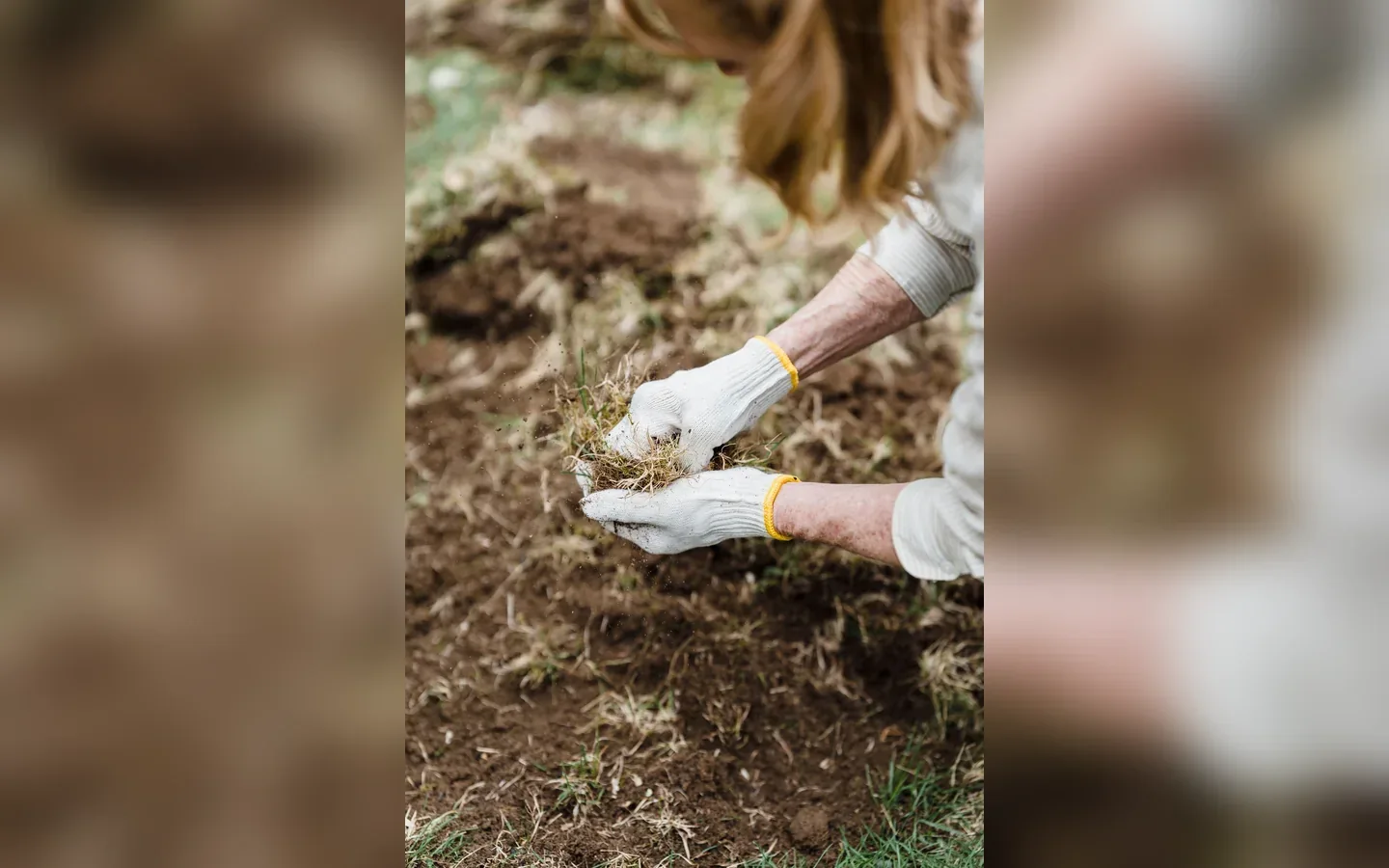
Growing a lawn from seed is cheaper than laying turf, particularly over a large area. It also lets you choose grass varieties that suit your garden, whether that means a hard-wearing family lawn or a finer ornamental finish.
The mistake is thinking the seed does all the work. Ground preparation decides much of the result. If you scatter seed over weeds, rubble or heavily compacted soil, you are likely to get patchy growth regardless of the packet you buy.
When is the best time to sow a new lawn?
In much of Britain, early autumn, especially September, is an excellent sowing period. The soil is often still warm, rain becomes more reliable and weeds may be less vigorous.
Spring, usually April to May, is another good window once the soil has warmed and is workable.
Avoid sowing into frozen, waterlogged ground or ahead of prolonged hot dry weather when you cannot water reliably.
For more about seasonal conditions, see our grass-seed versus overseeding guide, which also explains why a new lawn is different from thickening an existing one.
Choose a suitable grass-seed mix
Not all grass seed is designed for the same purpose.
| Lawn type | Common mix characteristics | Best suited to |
|---|---|---|
| Family or utility lawn | Often contains hard-wearing ryegrass and fescues | Regular play, walking, pets |
| Fine ornamental lawn | Finer grasses with a neater appearance | Lighter traffic and higher maintenance |
| Shade-tolerant mixture | Species selected for lower light | Partial shade rather than deep darkness |
| Drought-tolerant mixture | Grasses selected for suitable drier conditions | Sunny, well-drained sites |
Read the seed composition and the intended use. A label promising shade tolerance will not produce a healthy lawn in a permanently dark, root-filled corner beneath conifers.
If pets use the lawn heavily, prioritise a robust mix that can recover from wear.
Calculate the area and seed quantity
Measure the lawn in square metres. For a rectangle, multiply length by width; for irregular shapes, break the area into simple sections.
Follow the grams per square metre stated on your seed packet. Rates differ by grass mix and whether you are sowing new ground or overseeding.
Don't double the rate assuming more seeds means faster lawn establishment. Excessively dense seedlings can compete with one another.
Our grass seed calculator helps estimate the amount needed for your measured area.
Remove weeds and old vegetation
If the area has an existing poor lawn, decide whether to repair or start over. This guide covers a proper bare-soil start.
Remove unwanted grass, roots, perennial weeds and debris. Persistent plants such as couch grass can grow back through a new lawn if living rhizomes remain.
Avoid burying dense weeds under a thin layer of topsoil. The grass may germinate, but the weeds still have a substantial head start.
Collect stones, broken bricks and rubbish that could damage a mower later.
Check drainage before investing in seed
A lawn that turns into a pool after ordinary rain needs more than a new green surface.
Look at where runoff travels and whether the soil is heavily compacted. Resolve drainage issues before making the seedbed.
Working wet clay can create large hard clods and compaction that remain after sowing.
Our waterlogged soil guide explains how to assess the issue without assuming every puddle requires an expensive drainage system.
Prepare and level the soil
Loosen compacted areas when the soil is in a workable condition. Add suitable topsoil where the ground is thin, rubble-filled or severely uneven.
Rake the surface smooth, removing stones and large roots. Correct obvious high spots and hollows now; they are harder to fix after seedlings grow.
Firm the ground by walking in short steps across the area, then rake lightly again. A seedbed should be firm beneath and lightly crumbly at the surface.
Do not compact the area into a hard slab with heavy machinery.
If you need imported soil, our topsoil quantity guide helps estimate requirements before you order.
Allow weeds to emerge before sowing
Where time allows, prepare the soil a few weeks before sowing.
Water lightly if conditions are dry and wait for weed seedlings to emerge. Remove them carefully before sowing the lawn.
This 'stale seedbed' approach can reduce competition during the first weeks of grass establishment.
Don't disturb deep soil layers again unless necessary, or you may bring another crop of buried weed seed to the surface.
Sow in two directions for even coverage
- Measure the seed required for the area.
- Divide it into two equal portions.
- Scatter the first half evenly by walking along the plot in parallel lines.
- Use the second half while walking at right angles to the first direction.
- Lightly rake so most seeds have good contact with a thin covering of soil.
- Firm gently where needed to improve seed-to-soil contact.
- Water with a fine spray if rain is not expected soon.
- Protect vulnerable seed from birds and disturbance.
- Keep the surface appropriately moist until germination and establishment.
This cross-sowing method is simple but significantly improves even distribution compared with emptying the whole bag while walking one route.
How deep should grass seed be buried?
Grass seed needs contact with soil and moisture, but it should not be covered by a thick layer.
Rake very lightly to bring fine soil over the seed. Many suitable lawn seeds germinate best with only a shallow covering.
Don't dig deep trenches and pour in seed as though planting broad beans. A buried seed may not emerge successfully.
An excessively loose surface can wash away in rain, so prepare and firm carefully before sowing.
Protecting seed from birds and animals
Birds may eat seed or disturb the prepared surface. A suitable horticultural fleece cover, properly secured and checked, can help during germination.
Remove protection appropriately once seedlings are establishing, and avoid trapping wildlife beneath loose materials.
Pets should be kept off the area until the lawn is strong enough for normal use. Repeated dog traffic can create bare runs before roots develop.
Avoid using hazardous improvised deterrents or netting that could entangle animals.
How often should you water new grass seed?
The top layer of soil needs to remain moist enough for germination. During dry weather, this may require light watering once or more per day depending on conditions.
Avoid heavy jets that move the seed into patches. Use a gentle rose or fine sprinkler.
Once seedlings are established and rooting more deeply, gradually water less often but more thoroughly.
An unbroken damp surface isn't the goal indefinitely: roots need oxygen and the soil should never remain saturated.
How long before grass appears?
Germination depends on species, temperature, soil moisture and seed quality.
In good conditions, some seeds may emerge within about a week, while others take two or three weeks or longer.
Don't reseed the entire plot after five days because nothing is visible. Check the packet's likely germination period and the weather.
Cold early-spring soil slows growth; hot dry soil can prevent successful germination if watering is inconsistent.
First mowing of a new lawn
Wait until the seedlings are sufficiently tall, healthy and anchored to withstand mowing.
A common approach is to allow grass to reach roughly 7.5cm before its first cut, then mow carefully on a high setting to around 5cm, depending on the mix.
Use a sharp mower blade and avoid removing more than about one-third of the growth at once.
Never turn a heavy mower tightly on wet, soft soil or newly rooted grass. If the surface is still fragile, delay mowing.
When can people walk on it?
A few careful steps for essential watering are different from regular games and garden traffic.
Give the lawn time to develop a substantial root system and tolerate mowing before normal use.
The exact period changes with weather and grass type. Don't promise yourself football matches two weeks after sowing simply because green shoots have appeared.
Keep a temporary path around the edge where practical.
Feeding a new lawn
Don't apply a powerful high-nitrogen fertiliser simply because new grass looks pale.
Some soils benefit from an appropriate pre-seeding fertiliser based on condition and test results. Choose products suitable for young lawns and follow the label.
If the seedbed was properly prepared with sound topsoil, initial growth may be good without heavy feeding.
When established, maintain the lawn according to its grass mix and the season rather than using one fixed schedule for every garden.
Common problems
Patchy germination: uneven sowing, dry areas, shade or birds may have affected the result.
Seed washed away: strong watering or a sloping surface may have moved it.
Seedlings turn yellow: check root moisture, drainage, cold and soil conditions.
Weeds appear first: the seedbed may have had heavy weed pressure or the grass is germinating slowly.
Bare patches after mowing: the first cut may have been too early or too low.
Water pools in the middle: revisit levelling and drainage, not just fertiliser.
Quick answers
Is autumn better than spring? Early autumn is often ideal in the UK, but a suitable spring window works too.
Can I sow directly onto old turf? That is overseeding, not starting a lawn from scratch, and requires a different approach.
Should I cover grass seed with compost? A very light soil covering can help, but don't bury seed deeply.
Is seed cheaper than turf? Usually, particularly over a large area, though it takes longer to establish.
Prepare once, sow evenly and keep moisture consistent. A lawn from seed rewards careful groundwork much more than scattering an extra bag over a poorly prepared area.