
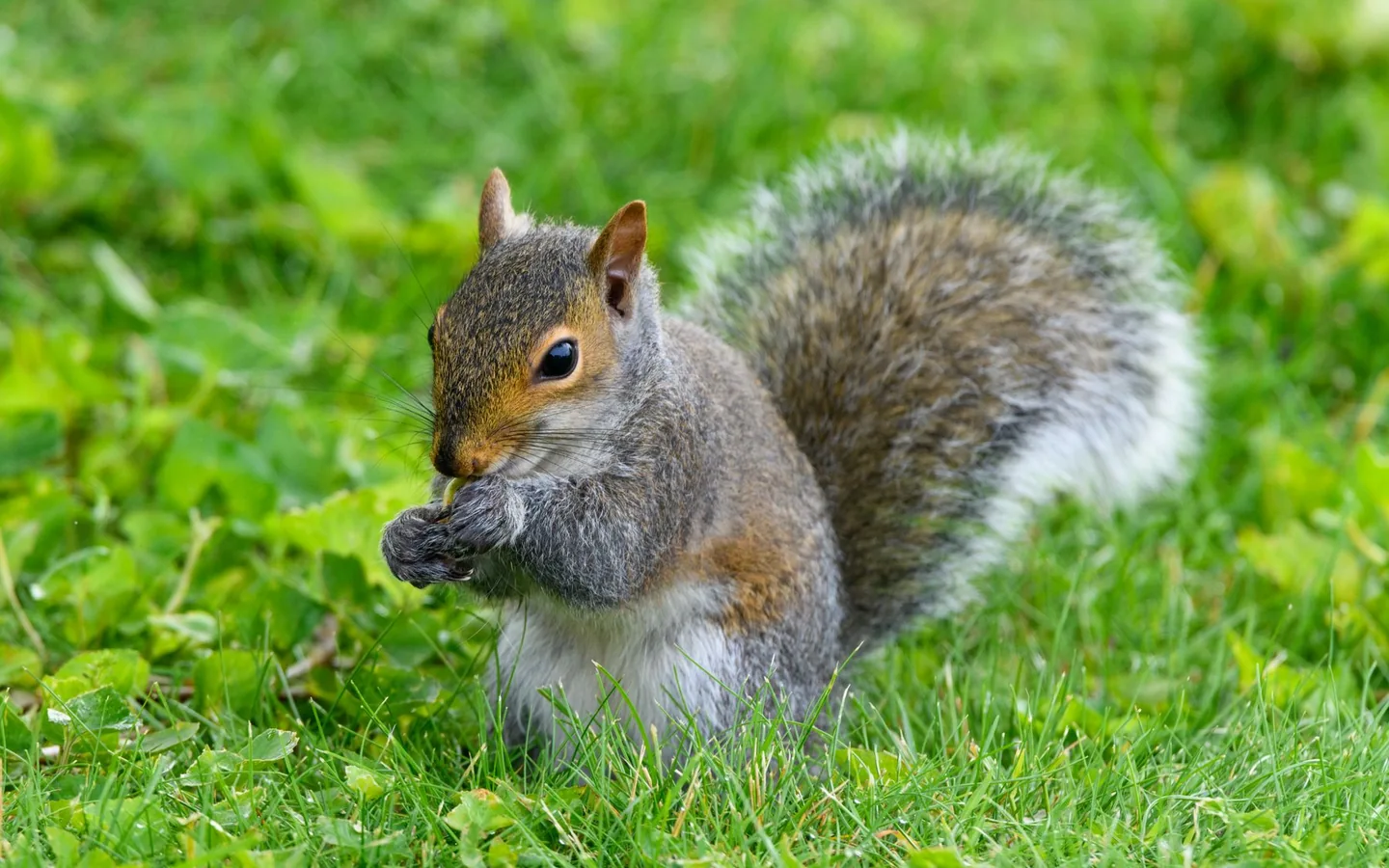
You plant a bed of tulips in autumn, then find little holes and bulbs scattered on the soil. Grey squirrels are capable diggers, and fresh soil can attract their attention long before spring flowers appear.
For bulbs planted in open ground, a properly secured wire cover is the most dependable short-term protection. This is a different problem from protecting a container, where a fitted mesh lid is usually simpler.
Which bulbs do squirrels dig up?
Tulips and crocuses are frequent targets. Squirrels may also dig around other bulbs and corms while searching for food or burying their own stores.
Daffodils are generally less attractive because they contain toxic compounds, but they are not a guaranteed deterrent that protects every neighbouring tulip.
A neat round hole doesn't prove a squirrel was responsible. Foxes, birds and other animals may disturb soil, while bulb rot can make planted bulbs disappear without any digging.
Why do newly planted beds attract attention?
Freshly turned soil is easier to investigate. Recently planted bulbs are often in a predictable strip and may be exposed if the soil is loose or planting depth is shallow.
Squirrels are especially active collecting or burying food in autumn, just when gardeners are planting spring bulbs.
The first few weeks after planting are a particularly useful time for protection. Once shoots are growing, buried bulbs may be less attractive to squirrels.
The most reliable options
| Method | Best application | Limitations |
|---|---|---|
| Strong wire cover over soil | New border planting | Must be anchored and removed or adjusted for shoots |
| Bulb baskets with secured tops | Groups in small open-ground beds | Need adequate depth and drainage |
| Planting at correct depth | General bulb health and reducing exposure | Won't stop determined digging alone |
| Temporary rigid cage | Valuable small displays | Can look conspicuous until removed |
| Planting less attractive species | Areas with repeated losses | No species makes neighbours safe |
| Scents, chilli and ultrasonic devices | Often marketed as repellents | Unreliable, short-lived or unsuitable |
A physical barrier is preferable to repeatedly sprinkling household powders onto the bed.
How to protect bulbs with wire mesh
- Plant bulbs at the correct depth for the species and soil.
- Firm the backfilled soil gently and water if needed.
- Lay suitable galvanised wire mesh or rigid hardware cloth across the planted area.
- Secure it firmly at the edges with appropriate garden pegs or another safe fixing method.
- Ensure the mesh has no loose ends or sharp corners that could catch wildlife or people.
- Label the area so you remember to check it.
- Lift or adjust the cover promptly when shoots begin to emerge, before they become trapped.
Choose mesh strong enough to resist chewing but with openings that won't trap animals. Avoid loose floppy netting draped over the ground.
Using bulb baskets below the soil
A sturdy planting basket can protect groups of bulbs while still allowing roots and drainage.
For a small cluster, a wire basket with a securely attached top can be sunk into a prepared planting hole at the correct depth. Ensure the basket doesn't force bulbs too close together or leave their tips too shallow.
Baskets designed for aquatic plants may be useful when combined with a suitable wire top, but large openings may allow squirrels to dig through.
Remember that a basket can make lifting an entire bulb group convenient after flowering; it does not remove the need for appropriate soil and moisture.
Should you plant bulbs deeper?
Follow the bulb's normal planting requirements. A common guideline is around two to three times the bulb's height, measured from the base, though species and conditions differ.
Planting properly may make bulbs harder to uncover, but forcing small crocuses extremely deep can prevent good flowering.
Our when to plant tulip bulbs guide deals with seasonal timing and planting depth in more detail.
Can daffodils protect tulips?
You can mix daffodils and tulips in a border, and squirrels often leave daffodils alone. But a ring of daffodils is not a secure barrier around more appealing bulbs.
Choose mixed planting for its display value rather than relying on it to deter wildlife.
For planning a late-season bulb planting, see what bulbs to plant in winter.
Do chilli powder, coffee or hair clippings work?
These are widely circulated suggestions with inconsistent evidence. Rain and normal garden activity can remove smells, and household substances may irritate pets or other animals.
Do not use concentrated chilli, poison or improvised chemical mixtures in beds visited by wildlife. A properly fitted physical cover is both more straightforward and more reliable.
Ultrasonic deterrents may briefly change animal behaviour but are not a dependable replacement for an anchored barrier.
What about squirrels digging bulbs from pots?
Containers need a different approach: a rigid or securely attached wire top that fits the rim and can be removed as shoots emerge.
For detailed container-specific steps, use our existing guide to stopping squirrels digging bulbs from pots. There is no reason to rebuild the same explanation here.
If squirrels have already disturbed the planting
Gather any intact bulbs promptly. Check for soft, rotten or damaged specimens and discard those unlikely to grow.
Replant sound bulbs at the correct depth and orientation, then protect the area with secure wire.
If animals have repeatedly dug in the same spot, consider moving valuable tulip groups to a more accessible area that is easier to cover and inspect.
What about a large border?
Covering an entire large bed with wire may be impractical. Focus protection on the sections containing the most vulnerable or expensive bulbs.
Use robust, clearly defined beds or small groups of planted bulbs that can be temporarily covered. You could also increase the share of less attractive bulb species.
Avoid installing an elaborate hidden mesh system that will interfere with future planting or maintenance.
A brief autumn-to-spring routine
At planting: put bulbs at their correct depth and cover the vulnerable area.
Through autumn: check pegs and edges after windy weather, and repair gaps.
Late winter: inspect for emerging shoots. Lift or modify covers before they restrict growth.
In spring: enjoy the flowers and store reusable covers safely after removal.
Will squirrels eat daffodil bulbs?
They usually avoid them, but digging around the bulbs can still disturb planting. Daffodils are poisonous and must never be treated as food.
Does chicken wire protect tulips?
Strong properly secured wire can reduce digging, provided it covers the area completely and is removed or adjusted before shoots become entangled.
Can I stop squirrels entering the garden entirely?
Generally not. Protecting particular vulnerable plantings is more realistic than trying to exclude every squirrel from an open garden.