
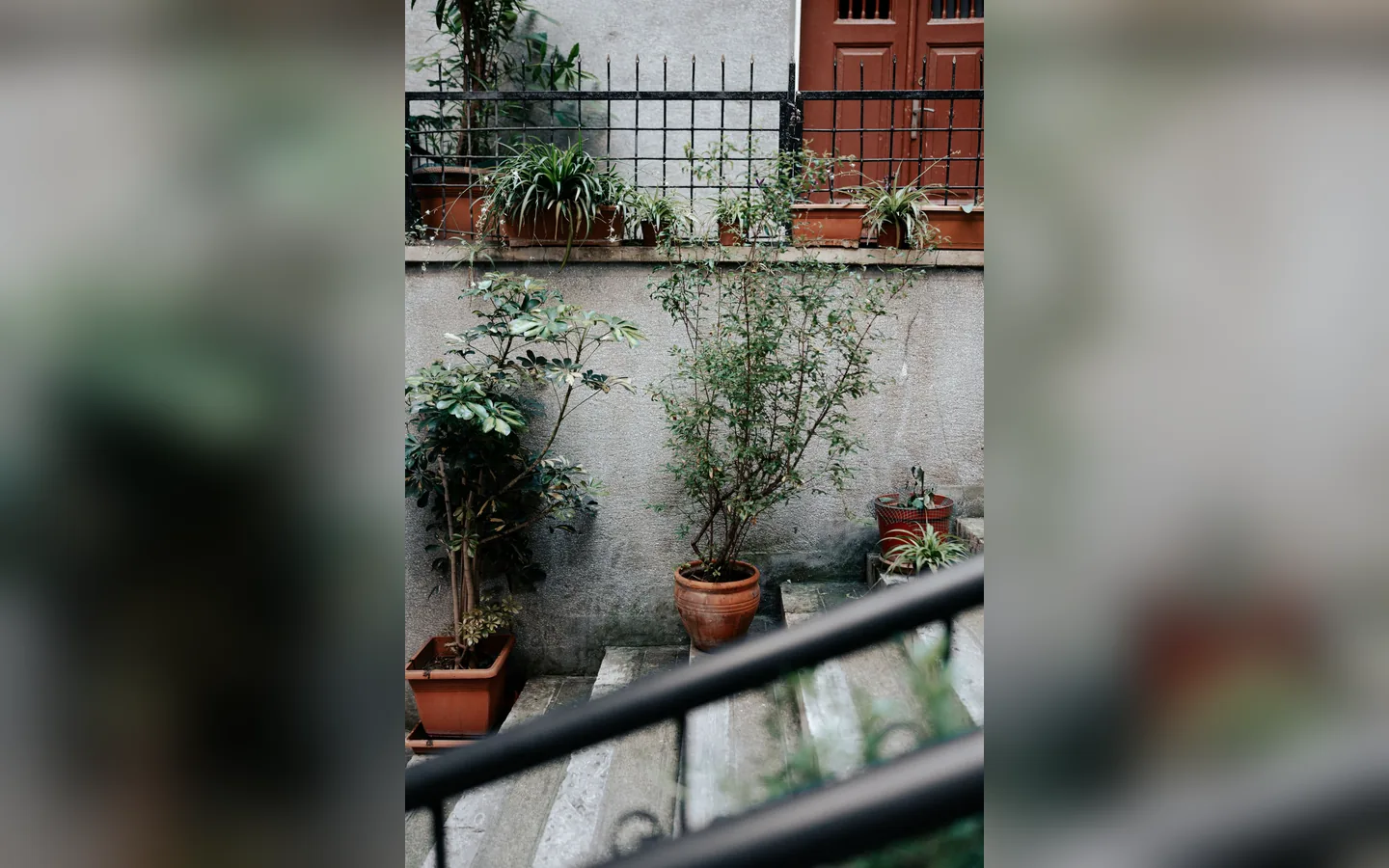
The quickest way to make a small garden feel cramped is to fill every corner with a different feature. A lawn, pond, shed, vegetable bed, dining set and six types of edging may each be appealing, but squeezing them into one tiny plot usually makes none of them pleasant to use.
Choose two or three jobs for the space, then design around those. A clear route to the door, comfortable seating and plants with a long season of interest will often beat a complicated miniature landscape.
Start by measuring what you've actually got
Measure the usable length and width, noting doors, drains, steps, shady fences and changes in level. Mark which parts get direct sun in morning and afternoon. A garden that looks sunny at lunchtime may be shaded for much of the growing season.
Sketch a rough plan to scale on graph paper or a simple drawing app. Include the space required to pull a chair out, open a gate and access bins or tools.
Our garden area calculator can help if the boundary is awkward or the plot isn't a simple rectangle.
Nine small garden ideas worth trying
1. Build around one genuinely useful seating area
Decide whether you want room for two people to have coffee or a table for six. Don't start by buying the largest outdoor sofa that fits between the fences.
For a tiny courtyard, a slim bench against a wall or a compact bistro table is often easier to live with. Leave space to move around it without stepping into a flowerbed. Folding chairs are useful when seating needs change.
2. Make the route obvious
A clear path connecting the house to the gate or shed makes the garden easier to use and often calmer to look at. Try not to interrupt it with scattered tubs and ornaments.
In narrow gardens, a simple continuous surface can work better than a patchwork of gravel, decking, paving and lawn. Avoid slippery surfaces in permanently shaded areas and choose suitable non-slip finishes.
3. Plant vertically — without blocking every inch of light
Climbers can cover a dull fence while occupying relatively little ground space. Choose based on the aspect and support: a sunny wall might suit a suitable clematis or climbing rose; a shady boundary needs a different plant.
Fix trellis to an appropriate structure with room behind it for maintenance. Keep vigorous climbers under control; a plant that grows several metres a season can quickly overwhelm a tiny garden.
Wall planters and shelving can also work, but make sure their fittings can carry the weight of wet compost.
4. Use fewer, bigger pots
Lots of tiny containers dry quickly and make a space look busy. Two or three substantial pots usually give better root space, easier maintenance and a stronger visual rhythm.
Choose plants by eventual size, not by how small they look in the garden centre. For larger specimens, see trees that actually work in pots.
5. Repeat plants rather than buying one of everything
Repeating a compact grass, flowering perennial or evergreen creates a more settled design than a collection of unrelated plants. A limited colour palette can help too.
For instance, a shady corner might repeat ferns and heucheras, while a sunny edge could use catmint and compact salvias. Choose cultivars suitable for the space; the word "compact" still needs checking against mature dimensions.
6. Use raised beds only where they earn their footprint
A raised bed is helpful for growing vegetables where ground soil is poor or access is difficult, but timber edges take space and a deep bed needs filling.
In the smallest plots, a simple border may provide more growing room. If you choose a raised bed, our guide to filling it sensibly explains the layers and compost needs.
7. Create storage that doubles as seating
A narrow weather-resistant storage bench can hold cushions or hand tools without adding another tall structure. Put frequently used equipment near the house so you don't have to cross the garden in bad weather.
Be realistic about bins, hoses and drying space. A garden that looks perfect in a drawing but has nowhere for practical items soon becomes cluttered.
8. Make a small amount of shade useful
Don't fight a north-facing corner with sun-loving bedding that never flowers properly. Use suitable ferns, heucheras, woodland perennials or pots designed for that exposure.
A bright painted wall or a modest mirror placed safely away from paths can increase the feeling of light, but it cannot replace the sunlight required by vegetables or Mediterranean herbs.
9. Keep one patch of planting useful to wildlife
Even a narrow border can support pollinators with nectar-rich flowers through the season. Add a shallow water source that is easy to clean. Avoid over-tidying every hollow stem in autumn.
You don't need a large pond. In fact, forcing an unsafe, badly positioned pond into a narrow route can make the whole space less useful.
Choose the layout to suit the garden shape
| Space | Layout that often works | Common mistake |
|---|---|---|
| Tiny square courtyard | One seating zone, two generous planted edges, a clear doorway route | Lots of small pots in the centre |
| Long narrow garden | Simple path, repeated planting and one or two wider stopping points | High hedges on both sides making a tunnel |
| Small sloping plot | Level the most useful sitting area and keep safe access between changes in level | Creating many cramped terraces |
| North-facing patio | Light surfaces, shade-tolerant planting and practical sheltered seating | Buying sun-loving plants for deep shade |
| Little front garden | Clear entrance, lower plants by sightlines and a tidy storage solution | Planting that blocks access or visibility |
What plants make a small garden look good for longer?
Select for seasonal interest and mature size. A small evergreen can give winter structure, with bulbs or perennials providing changing colour.
For sunny spots, compact lavender and thyme can work in free-draining conditions; a hardy geranium or salvia can flower well where there is adequate light and moisture. For partial shade, heuchera, suitable ferns and some compact hydrangeas give foliage and texture. Read the plant label and check local conditions before buying.
Don't choose a vigorous shrub on the assumption you can keep it permanently tiny through severe pruning. More compact cultivars often save work and look better.
For plant numbers in a planned border, use the plant spacing calculator rather than guessing from the empty bed.
Low-cost improvements that make a difference
Start with one repair or improvement that removes a daily irritation: a usable path, a stable chair, a leaking water butt or an awkward hose route. Reuse sound paving and pots when practical, and invest first in drainage and the right compost.
A fresh coat of suitable outdoor paint can unify mismatched fences, but don't paint over rotting wood. Plants take time to establish; buying them small can save money if you account for their eventual size and maintenance.
A simple weekend planning method
Day one: measure, photograph the garden in several light conditions and decide its two main purposes. Draw one plan, not ten.
Day two: clear the route, place existing furniture or pots in the proposed positions, and walk through them. Adjust anything that feels awkward before you buy paving or plants.
If it works with empty pots and temporary markers, you're more likely to enjoy it once the planting fills out.
How do you make a very small garden look bigger?
Keep the route clear, repeat a limited range of materials and plants, and give the eye one main focal point rather than several competing ones.
Should a small garden have a lawn?
Only if you will use it. A small lawn can be attractive, but shaded or heavily walked turf often struggles. A planted courtyard may suit some tiny gardens better.
Are raised beds good for small gardens?
They can be, particularly for vegetables or easier access, but their edges and paths consume space. Check dimensions against your plan first.